 EN
EN

Creating beautiful DIY Christmas ribbon bows transforms ordinary holiday decorations into stunning focal points that capture the festive spirit. Whether you're adorning your Christmas tree, wrapping presents, or crafting seasonal displays, mastering the art of bow-making with quality christmas ribbon elevates your holiday décor to professional levels. This comprehensive guide will walk you through various techniques, from simple single-loop bows to elaborate multi-layered designs that showcase your creativity and attention to detail.
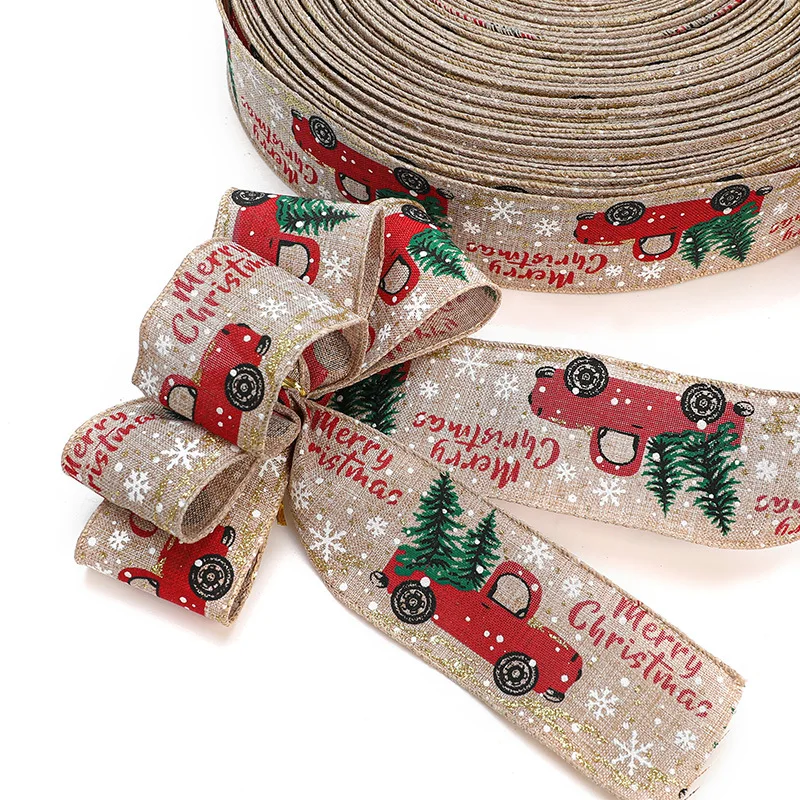
The key to successful bow-making lies in understanding ribbon characteristics, proper measurement techniques, and maintaining consistent tension throughout the construction process. Different ribbon materials offer unique advantages, with satin providing elegant sheen, grosgrain offering structured hold, and burlap delivering rustic charm perfect for farmhouse-style holiday themes. Selecting the appropriate width and texture ensures your finished bows complement existing decorations while maintaining their shape throughout the holiday season.
Essential Materials and Tools for Christmas Ribbon Bow Making
Choosing the Right Christmas Ribbon Types
Selecting appropriate ribbon materials forms the foundation of successful bow creation, with various options offering distinct advantages for different applications. Wired-edge ribbons maintain their shape exceptionally well, making them ideal for outdoor decorations or high-traffic areas where bows might get bumped or handled frequently. These ribbons feature thin wires sewn into the edges, allowing for precise shaping and long-lasting form retention even in challenging weather conditions.
Satin ribbons provide luxurious appearance with their glossy finish that reflects light beautifully, creating elegant bows perfect for formal holiday displays or gift wrapping. The smooth texture allows for easy manipulation during the bow-making process, though it requires careful handling to prevent fraying at cut edges. Velvet ribbons offer rich texture and deep color saturation, though they're more challenging to work with due to their thickness and tendency to show fingerprints or crushing marks during handling.
Essential Tools for Professional Results
Sharp fabric scissors ensure clean cuts that prevent fraying and create professional-looking edges on your finished bows. Invest in high-quality scissors dedicated solely to ribbon cutting, as using them on other materials can dull the blades and result in rough, uneven cuts that compromise the overall appearance. Keep these scissors clean and sharp throughout your crafting sessions for consistent results.
Floral wire provides secure fastening for bow centers while remaining virtually invisible in the finished product. Choose wire gauges appropriate for your christmas ribbon weight – lighter ribbons require thinner wire to avoid creating visible bumps, while heavier materials need stronger wire for adequate support. Hot glue guns offer quick adhesion for permanent bow installations, though they require careful handling to avoid burns and messy glue strings that can mar the finished appearance.
Basic Single-Loop Bow Techniques
Creating Perfect Center Loops
Begin your bow construction by measuring and cutting your christmas ribbon to appropriate lengths, allowing extra material for adjustments and trimming. For standard gift-wrapping bows, cut ribbons approximately four times the desired finished bow width, ensuring adequate material for creating full, balanced loops. Mark the center point lightly with removable tape or gentle finger creases to maintain symmetry throughout the construction process.
Form the initial loop by bringing one end of the ribbon around to create a circle, maintaining consistent loop size and checking for twisted sections that might create uneven appearance. Pinch the ribbon firmly at the center point, creating a small gathered section that will become the bow's focal point. This gathering should be tight enough to maintain the loop shape but not so compressed that it creates permanent creases in delicate ribbon materials.
Securing and Shaping Techniques
Wrap floral wire around the pinched center section, twisting tightly to secure the gathered ribbon without cutting through the material. Position the wire slightly behind the center front to minimize visibility while ensuring adequate holding power. Twist the wire ends together firmly, leaving short tails that can be tucked behind the bow or used for attachment to wreaths, packages, or other decorative elements.
Shape the loops by gently pulling and adjusting each section to create balanced, full appearance with smooth curves and no sharp creases. Fluff the loops by inserting your fingers and gently expanding the ribbon from the inside, creating dimension and preventing flat, lifeless appearance. Adjust the tails by cutting them to appropriate lengths and creating decorative angled cuts or notches that prevent fraying while adding visual interest to the finished bow.
Advanced Multi-Loop Bow Construction
Layered Loop Techniques
Multi-loop bows create impressive visual impact through careful layering of different sized loops, each contributing to the overall fullness and dimension of the finished piece. Start with the largest loops as your base layer, using wider christmas ribbon or longer lengths to establish the bow's outer boundaries. These foundation loops should be slightly larger than your target finished size to accommodate the additional layers that will be added on top.
Create subsequent layers using progressively shorter ribbon lengths, maintaining the same loop-forming technique while reducing the overall circumference of each layer. This stepped approach ensures that each layer remains visible in the finished bow rather than being completely hidden by outer loops. Maintain consistent spacing between layers to create balanced visual weight distribution and prevent the bow from appearing lopsided or crowded.
Complex Pattern Integration
Incorporate multiple ribbon colors or patterns by alternating layers or creating contrasting accents within individual loop sets. Christmas ribbon combinations such as red and gold, green and silver, or traditional plaid with solid colors create sophisticated visual interest while maintaining holiday theme coherence. Plan your color sequence before beginning construction to ensure pleasing transitions and avoid jarring color combinations that might detract from the overall effect.
Experiment with different loop orientations within each layer, positioning some loops at slight angles to create dynamic visual movement and prevent monotonous appearance. This technique works particularly well with patterned ribbons where varying the loop position reveals different aspects of the design motif. Secure each layer independently before adding the next, ensuring that individual components maintain their intended positioning throughout the construction process.
Specialized Bow Styles for Holiday Decorations
Tree Topper Bow Construction
Tree topper bows require larger scale construction and enhanced structural integrity to maintain their appearance when viewed from multiple angles around the Christmas tree. Use wider christmas ribbon, typically 4-6 inches in width, to create substantial visual presence that complements the tree's size without appearing disproportionate. The bow's overall dimensions should relate harmoniously to the tree height and branch spread for balanced aesthetic appeal.
Construct tree topper bows with extended tails that cascade gracefully down through the upper branches, creating vertical visual flow that draws the eye upward toward the tree's crown. These tails should be cut to varying lengths to create natural, asymmetrical draping rather than rigid, uniform appearance. Consider the tree's branch density when planning tail length to ensure they remain visible rather than becoming lost within thick foliage.
Wreath Accent Bow Techniques
Wreath bows serve as focal points that anchor the overall design while complementing existing decorative elements without overwhelming the composition. Position wreath bows slightly off-center rather than directly at the bottom to create more dynamic visual interest and avoid predictable symmetry. The bow size should relate proportionally to the wreath diameter, typically spanning approximately one-quarter of the wreath's width for optimal visual balance.
Select christmas ribbon colors that either harmonize with existing wreath elements or provide deliberate contrast for dramatic effect. Metallic ribbons work particularly well on traditional green wreaths, while natural burlap or linen textures complement rustic or farmhouse-style decorations. Consider the viewing distance when choosing ribbon width – bows intended for door display require wider ribbons for visibility from street level, while indoor wreaths can utilize more delicate proportions.
Professional Finishing Techniques
Edge Treatment and Fraying Prevention
Proper edge finishing prevents unsightly fraying that can quickly diminish the professional appearance of your handmade bows. Heat-sealing works effectively for synthetic christmas ribbon materials, using a lighter or candle flame to carefully melt the cut edges and create sealed barriers against unraveling. Work quickly and maintain safe distance to prevent scorching or melting beyond the immediate edge area.
Liquid fray preventers offer chemical solutions for natural fiber ribbons that cannot be heat-sealed safely. Apply these products sparingly to cut edges using small brushes or cotton swabs, allowing adequate drying time before handling the treated areas. Test fray preventers on ribbon scraps first to ensure they don't alter the color or texture of your chosen christmas ribbon materials in unexpected ways.
Storage and Preservation Methods
Proper storage extends the lifespan of your finished bows and maintains their appearance for multiple holiday seasons. Wrap completed bows individually in acid-free tissue paper to prevent color transfer and protect delicate surfaces from scratching or crushing. Store wrapped bows in rigid containers with adequate space between pieces to prevent compression that might permanently deform the ribbon loops.
Climate-controlled storage areas prevent moisture damage and temperature fluctuations that can affect ribbon materials over time. Avoid storage locations subject to extreme temperature variations, such as attics or basements, which might cause adhesive failure in glued components or brittleness in certain ribbon types. Check stored bows periodically for signs of pest damage or environmental degradation, addressing any issues promptly to prevent widespread damage to your collection.
Troubleshooting Common Bow-Making Problems
Fixing Uneven Loop Sizes
Uneven loops create unprofessional appearance and can usually be corrected through careful adjustment and reshaping techniques. Gently manipulate the gathered center section to redistribute ribbon material more evenly between loops, working slowly to avoid creating permanent creases or stress marks in delicate materials. Sometimes loosening the center wire slightly allows for better repositioning before retightening for final securing.
Prevention remains more effective than correction, so establish consistent measuring techniques using rulers or templates to ensure uniform loop sizes during initial construction. Create simple cardboard templates for frequently used bow sizes, marking the desired loop dimensions and using these guides during the ribbon folding process. This systematic approach eliminates guesswork and produces reliably consistent results across multiple bow projects.
Addressing Ribbon Twist and Distortion
Twisted ribbons create irregular appearance and prevent proper light reflection that gives christmas ribbon its attractive visual qualities. Identify twist locations by examining the ribbon surface for areas where the pattern appears sideways or upside-down compared to adjacent sections. Carefully untwist these areas by rotating the ribbon in the opposite direction, working gradually to avoid creating new problems in previously correct sections.
Severe twisting might require partially disassembling the bow to access and correct the problematic areas properly. While this adds time to the construction process, the improved final appearance justifies the extra effort required. Maintain awareness of ribbon orientation throughout the construction process, checking frequently for developing twists that can be corrected easily before they become locked in place by subsequent construction steps.
FAQ
What width christmas ribbon works best for gift wrapping bows
For standard gift wrapping applications, ribbons between 1.5 to 2.5 inches wide provide optimal balance between visual impact and proportional scaling to typical gift box sizes. Narrower ribbons work well for small packages or delicate presentations, while wider ribbons suit larger packages or create dramatic focal points. Consider the gift recipient and occasion formality when selecting ribbon width, with wider ribbons conveying more celebratory or formal presentation styles.
How long should bow tails be for different applications
Bow tail length depends on the intended use and aesthetic preference, with general guidelines suggesting tails approximately 1.5 to 2 times the bow width for balanced proportions. Tree ornament bows require shorter tails to prevent tangling with branches, while wreath bows can accommodate longer, more dramatic tails that enhance the overall display. Gift package bows should have tails proportional to the package size, avoiding lengths that touch the ground or create handling difficulties.
Can different ribbon materials be combined in single bows
Combining different christmas ribbon materials creates interesting textural contrasts and visual depth, though successful integration requires attention to compatibility factors such as similar weights and complementary colors. Mixing satin and velvet ribbons works well due to their similar handling characteristics, while combining wire-edged and non-wired ribbons might require different construction techniques to accommodate their varying structural properties. Test combinations with small samples before committing to large projects.
What causes bows to lose their shape over time
Shape loss typically results from inadequate initial securing, environmental factors, or inappropriate ribbon selection for the intended application. Insufficient wire tension at the bow center allows gradual loosening that leads to drooping loops and diminished fullness. Exposure to moisture, extreme temperatures, or direct sunlight can degrade certain ribbon materials and cause permanent shape distortion. Using lightweight ribbons for heavy-duty applications often results in premature shape failure under environmental stress or handling.