 EN
EN

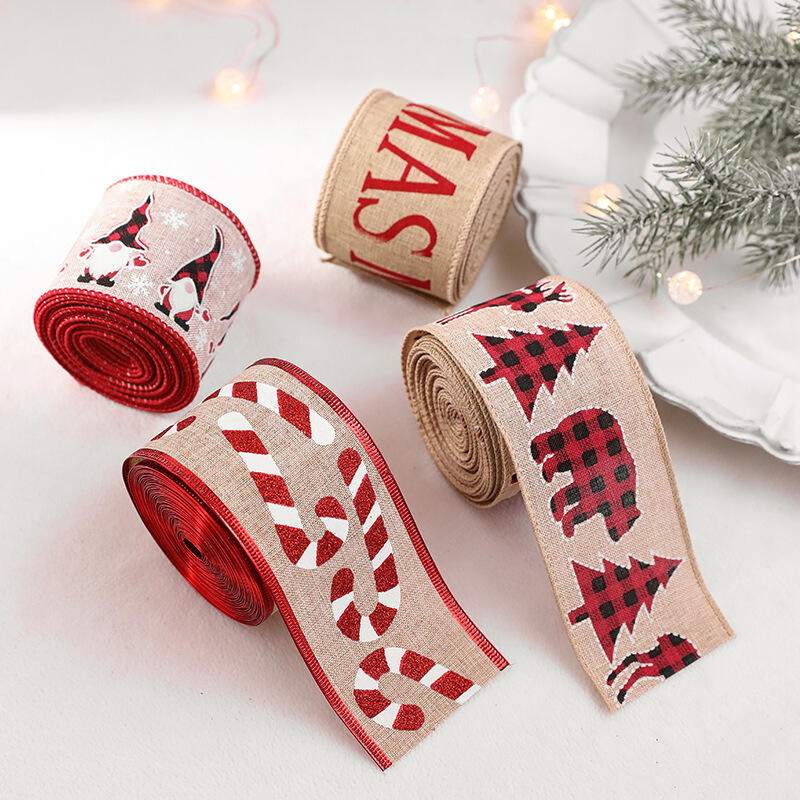
Selecting the perfect Christmas bow for your holiday tree is an art that combines color theory, personal style, and festive tradition. The right Christmas bow can transform an ordinary tree into a stunning centerpiece that captures the magic of the season. Whether you prefer classic red velvet, elegant gold accents, or modern metallic finishes, understanding how to coordinate your Christmas bow with your tree's overall color scheme creates a cohesive and visually appealing holiday display.
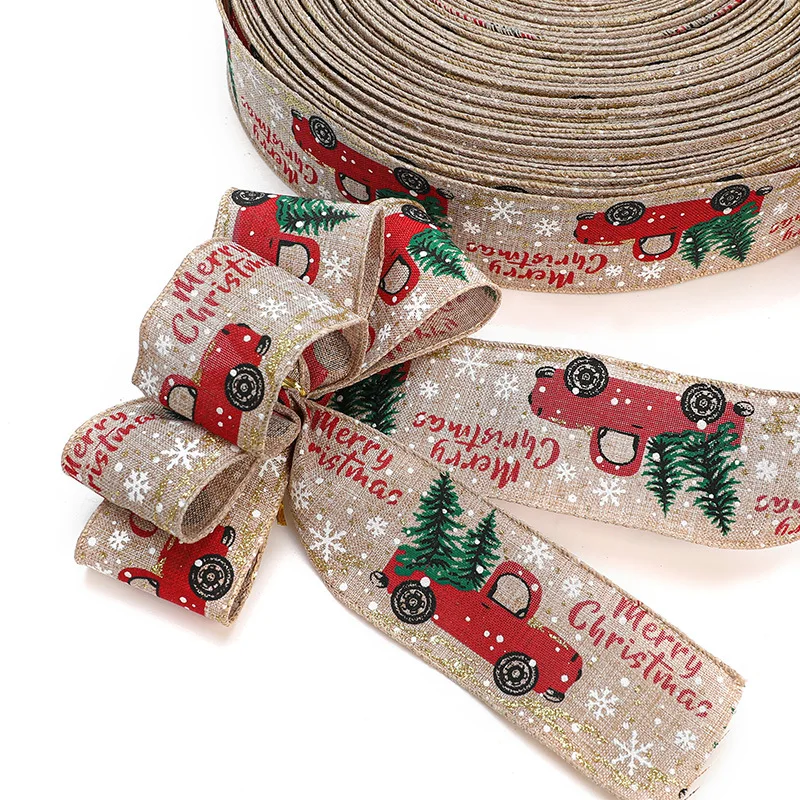
The foundation of exceptional holiday decorating lies in creating harmony between all decorative elements. Your Christmas bow serves as both an accent piece and a unifying element that ties together ornaments, garland, and lighting. Professional decorators understand that the most impactful holiday displays result from careful consideration of color relationships, texture combinations, and proportional balance throughout the entire tree design.
Understanding Color Harmony in Holiday Decorating
Primary Color Schemes for Christmas Trees
Traditional Christmas decorating relies heavily on primary color combinations that evoke warmth and celebration. The classic red and green palette remains popular because these complementary colors create visual excitement and embody the spirit of the season. When selecting a Christmas bow for a traditional tree, deep burgundy or rich crimson options work beautifully against emerald green foliage, while forest green bows provide elegant contrast against red ornaments.
Modern decorating trends have expanded beyond traditional palettes to include sophisticated monochromatic schemes. Silver and white combinations create an elegant winter wonderland effect, while gold and cream palettes evoke luxury and warmth. Your Christmas bow selection should reinforce your chosen color story while adding textural interest through varied materials like velvet, satin, or metallic finishes.
Complementary and Analogous Color Relationships
Understanding basic color theory helps create stunning tree displays that feel intentional and professionally designed. Complementary colors, which sit opposite each other on the color wheel, create dynamic contrast and visual energy. A vibrant orange Christmas bow paired with blue ornaments creates unexpected sophistication, while purple bows complement yellow-gold accents beautifully.
Analogous color schemes use colors that sit adjacent to each other on the color wheel, creating harmonious and soothing displays. Blue, blue-green, and green combinations work particularly well for coastal or winter-themed trees. Your Christmas bow selection within an analogous scheme should vary in saturation and intensity to maintain visual interest while preserving overall harmony.
Material and Texture Considerations
Fabric Types and Their Visual Impact
The material of your Christmas bow significantly impacts how it interacts with your tree's color scheme and overall aesthetic. Velvet bows add richness and depth to any color palette, absorbing light to create sophisticated, jewel-like tones. The plush texture of velvet makes colors appear more saturated and luxurious, making it an excellent choice for formal or elegant tree themes.
Satin and silk Christmas bow options reflect light beautifully, creating luminous effects that enhance metallic ornaments and twinkling lights. These glossy materials work particularly well in monochromatic schemes where subtle color variations and light play become the primary sources of visual interest. The reflective quality of satin can make colors appear brighter and more vibrant than their matte counterparts.
Metallic Finishes and Reflective Elements
Metallic Christmas bow options offer versatility and sophistication that complements virtually any color scheme. Gold metallics warm up cool color palettes while adding elegance to traditional red and green combinations. Silver and platinum finishes provide crisp contrast against deep jewel tones and work beautifully in contemporary minimalist designs.
The reflective quality of metallic finishes helps distribute light throughout your tree, creating depth and movement. A carefully placed Christmas bow with metallic elements can serve as a focal point that draws the eye upward and creates visual balance throughout your display.
Size and Proportion Guidelines
Matching Bow Size to Tree Dimensions
The size of your Christmas bow should be proportional to both your tree's overall dimensions and the scale of your other decorative elements. Large trees can accommodate substantial bows that make bold statements, while smaller trees require more delicate proportions to maintain visual balance. A general rule suggests that your primary Christmas bow should be approximately one-tenth the height of your tree for optimal visual proportion.
Consider the viewing distance when determining appropriate bow sizes. Trees displayed in large rooms or viewed from a distance can handle larger, more dramatic Christmas bow selections, while intimate settings call for more subtle proportions. Multiple smaller bows distributed throughout the tree can create visual rhythm and movement while maintaining appropriate scale relationships.
Creating Visual Hierarchy with Multiple Bows
Using multiple Christmas bow elements of varying sizes creates depth and visual interest throughout your tree display. Start with one primary bow as your focal point, typically placed at the top or in a prominent mid-tree position. Secondary bows should be approximately two-thirds the size of your primary bow, while accent bows can be half the size or smaller.
Distribute your Christmas bow elements asymmetrically throughout the tree to create natural, organic-feeling arrangements. Avoid placing bows in rigid patterns or symmetrical arrangements, which can appear artificial and detract from the overall visual impact. Instead, cluster bows in odd numbers and vary their heights to create flowing, dynamic compositions.
Coordinating with Existing Ornaments
Balancing Patterns and Solid Colors
When your tree features patterned ornaments, your Christmas bow selection should provide visual relief through solid colors that complement the patterns without competing for attention. If your ornaments feature multiple colors or complex designs, choose Christmas bow options in one of the secondary colors from the patterns to create cohesion without overwhelming the display.
Trees decorated primarily with solid-colored ornaments offer more flexibility for Christmas bow selection. You can introduce patterns, textures, or contrasting colors through your bow choices to add visual interest and prevent the display from appearing monotonous. Striped, plaid, or geometrically patterned bows can serve as accent elements that enliven simple color schemes.
Texture Mixing and Material Coordination
Successful Christmas bow coordination involves considering how different textures interact with your existing ornaments and decorations. Glass ornaments reflect light and create sparkle, so matte-finished Christmas bow options provide excellent contrast while allowing the ornaments to remain the primary light-catching elements. Conversely, if your ornaments are predominantly matte or fabric-covered, a glossy or metallic Christmas bow can add necessary light reflection and visual excitement.
Natural materials like burlap, linen, or cotton Christmas bow options work beautifully with rustic or farmhouse-style decorating themes. These organic textures complement wood, pinecone, and dried element decorations while maintaining the relaxed, homey feel that characterizes these popular decorating styles.
Seasonal Color Trends and Innovation
Contemporary Color Palettes
Modern Christmas decorating has embraced non-traditional color combinations that reflect current interior design trends. Blush pink and rose gold Christmas bow selections create romantic, feminine tree displays that work beautifully in contemporary homes. These soft metallics complement both traditional green trees and flocked white varieties while maintaining sophistication and elegance.
Navy blue and copper combinations have gained popularity for their unexpected sophistication and versatility. A deep navy Christmas bow paired with warm copper ornaments creates a striking color contrast that feels both festive and refined. This palette works particularly well in homes with nautical or industrial design elements.
Sustainable and Natural Options
Environmental consciousness has influenced Christmas decorating trends, with many families choosing sustainable and natural Christmas bow options. Hemp, organic cotton, and recycled material bows allow environmentally conscious decorators to maintain beautiful displays while supporting ecological values. These natural materials often feature subtle color variations and organic textures that complement live trees beautifully.
Biodegradable Christmas bow options made from paper, dried botanicals, or natural fiber combinations offer temporary beauty that can be composted after the holidays. These eco-friendly choices often feature unique textures and colors that create distinctive, memorable tree displays while minimizing environmental impact.
FAQ
What size Christmas bow should I choose for a six-foot tree
For a six-foot tree, your primary Christmas bow should measure approximately 7-8 inches across for optimal proportion. This size creates visual impact without overwhelming the tree's natural shape. You can complement this main bow with 4-5 inch secondary bows distributed throughout the tree to create visual rhythm and balance.
How do I coordinate Christmas bow colors with colored tree lights
When coordinating Christmas bow colors with colored lights, choose bow colors that either complement or contrast effectively with your lighting choice. Warm-colored lights pair beautifully with gold, bronze, or deep red Christmas bow options, while cool-colored lights work well with silver, blue, or purple bow selections. White lights offer the most flexibility and work with virtually any Christmas bow color choice.
Can I mix different Christmas bow materials on the same tree
Mixing different Christmas bow materials creates visual interest and texture variation throughout your tree display. Combine materials thoughtfully by maintaining color coordination while varying textures. For example, pair velvet and satin bows in the same color family, or mix metallic and matte finishes for sophisticated contrast. Limit yourself to two or three different materials to maintain cohesion.
Should my Christmas bow match my garland and wreath decorations
Coordinating your Christmas bow with garland and wreath decorations creates a unified holiday decorating scheme throughout your home. Use the same color palette and similar materials across all elements, but vary the specific shades and textures to maintain visual interest. Your tree's Christmas bow can serve as the primary color inspiration for coordinating decorations in adjacent rooms and exterior displays.