 EN
EN

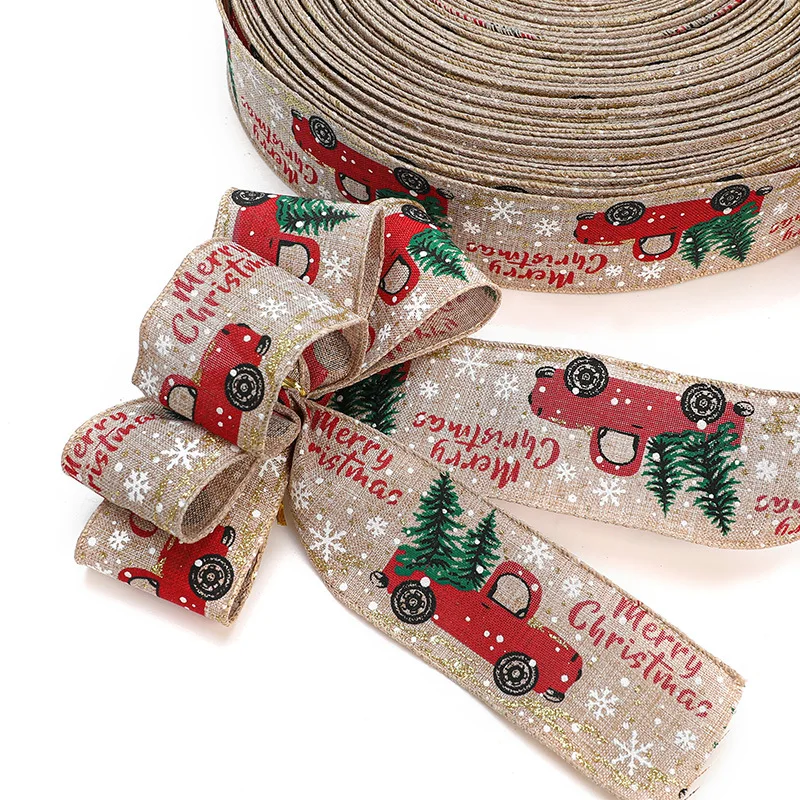
Proper storage of Christmas ribbon is essential for maintaining its quality and appearance throughout the year. Many holiday decorators invest significant time and money in selecting the perfect Christmas ribbon for their seasonal displays, only to discover damaged, wrinkled, or faded materials when the next holiday season arrives. Understanding the correct storage techniques ensures your Christmas ribbon remains in pristine condition, ready to enhance your festive decorations year after year. With proper care and attention to detail, your Christmas ribbon collection can provide lasting value and consistent beauty for multiple holiday seasons.
Understanding Christmas Ribbon Materials and Their Storage Needs
Natural Fiber Christmas Ribbon Care
Natural fiber Christmas ribbon, including burlap, cotton, and linen varieties, requires specific storage considerations to prevent deterioration. These materials are particularly susceptible to moisture damage, which can lead to mold, mildew, and fiber breakdown. Burlap Christmas ribbon, popular for rustic holiday themes, needs adequate air circulation during storage to maintain its texture and prevent musty odors. The natural fibers can also attract insects, making pest prevention an important aspect of long-term storage planning.
Cotton-based Christmas ribbon materials benefit from clean, dry storage environments with consistent temperature control. These fibers can absorb moisture from the air, potentially causing shrinkage or color bleeding if stored improperly. Linen Christmas ribbon varieties maintain their elegant appearance when stored flat or loosely rolled, avoiding tight compression that could create permanent creases or fabric stress points.
Synthetic Christmas Ribbon Storage Requirements
Synthetic Christmas ribbon materials, such as polyester, nylon, and acetate, offer different storage challenges and advantages compared to natural fibers. These materials typically resist moisture damage better than natural alternatives but can be more susceptible to heat damage and static electricity buildup. Polyester Christmas ribbon maintains its shape well during storage but requires protection from direct sunlight to prevent color fading and material degradation.
Wire-edged Christmas ribbon presents unique storage considerations due to the embedded support structure. The wire components can create pressure points that damage the fabric if stored incorrectly, while also providing shape retention benefits when properly maintained. Understanding the specific requirements of each Christmas ribbon type ensures optimal preservation results and extends the useful life of your holiday decoration investments.
Cleaning and Preparation Before Storage
Removing Dust and Debris from Christmas Ribbon
Thorough cleaning of Christmas ribbon before storage removes accumulated dust, pet hair, and other debris that can cause long-term damage or attract pests. Gentle brushing with a soft-bristled brush effectively removes surface particles from most Christmas ribbon types without damaging delicate fibers or decorative elements. For heavily soiled materials, light vacuuming with a brush attachment provides deeper cleaning while maintaining material integrity.
Spot cleaning of stained Christmas ribbon areas requires careful attention to material compatibility and cleaning agent selection. Water-based stains on synthetic Christmas ribbon often respond well to mild soap solutions, while natural fiber materials may require specialized cleaning products. Always test cleaning methods on inconspicuous areas first to ensure color fastness and material stability before treating visible surfaces.
Addressing Wrinkles and Shape Issues
Wrinkle removal from Christmas ribbon before storage prevents permanent creasing and maintains professional appearance for future use. Low-heat ironing works effectively for most synthetic Christmas ribbon materials, while natural fibers may require steam treatment or professional pressing. Wire-edged Christmas ribbon benefits from gentle reshaping by hand to restore original curves and dimensions before storage.
Proper preparation includes checking for loose threads, damaged edges, or weakened areas that might worsen during storage. Minor repairs completed before storage prevent small issues from becoming major problems over time. Christmas ribbon with decorative elements requires additional attention to secure attachments and prevent component loss during the storage period.
Optimal Storage Methods and Techniques
Rolling Versus Folding Storage Approaches
Rolling Christmas ribbon for storage provides excellent protection against creasing while maintaining material flexibility and ease of access. Large cardboard tubes or specialized ribbon storage cylinders offer ideal support for rolled Christmas ribbon, preventing compression damage and maintaining smooth surfaces. The rolling method works particularly well for long lengths of Christmas ribbon and materials with wire edges that benefit from curved storage positioning.
Folding storage methods suit shorter Christmas ribbon lengths and space-constrained storage situations, though careful technique prevents permanent creases. Acid-free tissue paper between folds protects delicate Christmas ribbon surfaces and prevents color transfer between layers. The folding approach requires more frequent inspection and rotation to prevent stress concentration at fold lines, especially for natural fiber Christmas ribbon materials.
Container Selection and Organization Systems
Plastic storage containers with tight-fitting lids provide excellent protection for Christmas ribbon collections against moisture, dust, and pest intrusion. Clear containers allow easy identification of contents without opening, while opaque options protect light-sensitive Christmas ribbon materials from UV degradation. Proper container sizing prevents over-compression while maximizing storage efficiency and accessibility.
Compartmentalized storage systems using drawer organizers or custom dividers keep different Christmas ribbon types separated and easily accessible. Individual storage sleeves or bags within larger containers provide additional protection for premium Christmas ribbon materials and prevent tangling between different pieces. Labeling systems with material type, color, and width information streamline future selection processes and inventory management.
Environmental Controls for Long-Term Preservation
Temperature and Humidity Management
Consistent temperature control between 60-70 degrees Fahrenheit provides optimal storage conditions for most Christmas ribbon materials without causing thermal stress or degradation. Extreme temperature fluctuations can cause expansion and contraction cycles that weaken fibers and adhesives used in Christmas ribbon construction. Basement and attic storage areas often experience significant temperature variations that make them unsuitable for long-term Christmas ribbon preservation.
Humidity levels between 30-50 percent relative humidity prevent both excessive drying and moisture accumulation that can damage Christmas ribbon materials. Natural fiber Christmas ribbon particularly benefits from stable humidity conditions that prevent brittleness or mold growth. Silica gel packets or other desiccant materials help maintain appropriate moisture levels in sealed storage containers, especially in naturally humid environments.
Light Protection and UV Prevention
Ultraviolet light exposure causes significant color fading and material degradation in many Christmas ribbon types, making light protection essential for long-term storage success. Dark storage areas or opaque containers provide complete UV protection, while UV-filtering materials can protect Christmas ribbon in partially lit storage spaces. Even indoor lighting can cause gradual color changes over extended storage periods, particularly in red and green Christmas ribbon colors.
Window areas and rooms with significant natural light exposure should be avoided for Christmas ribbon storage, even when materials are contained in boxes or bags. The cumulative effect of light exposure over months can cause noticeable fading and weakening of Christmas ribbon fibers. Storage locations with minimal light exposure extend the useful life and maintain the vibrant colors of your Christmas ribbon collection significantly longer than well-lit areas.
Pest Prevention and Material Protection
Identifying and Preventing Common Storage Pests
Fabric moths pose the greatest threat to stored Christmas ribbon, particularly natural fiber materials that provide food sources for developing larvae. Adult moths are attracted to dark, undisturbed storage areas where they can lay eggs in suitable materials. Regular inspection of Christmas ribbon storage areas and materials helps identify pest activity before significant damage occurs, allowing for prompt intervention and treatment.
Silverfish and carpet beetles also target Christmas ribbon materials, particularly those with starch-based sizing or natural adhesives. These pests can cause irregular holes and surface damage that ruins the appearance of Christmas ribbon for future use. Cedar blocks, lavender sachets, or commercial pest deterrents provide natural protection without chemical treatments that might affect Christmas ribbon colors or materials.
Physical Protection Strategies
Sealed storage containers create physical barriers that prevent pest access while maintaining controlled environments for Christmas ribbon preservation. Double-bagging valuable Christmas ribbon pieces in sealed plastic bags provides additional protection layers against both pests and environmental factors. Regular rotation of stored Christmas ribbon allows for inspection and early detection of any developing problems before they cause irreversible damage.
Acid-free storage materials prevent chemical reactions that can cause Christmas ribbon deterioration over time, particularly important for long-term storage of premium materials. Buffered tissues and archival-quality containers maintain stable pH levels that protect Christmas ribbon fibers from acidic degradation. Investment in quality storage materials pays dividends in preserved Christmas ribbon quality and extended useful life across multiple holiday seasons.
Seasonal Inspection and Maintenance Routines
Mid-Year Storage Checkups
Six-month inspection schedules allow early detection of storage problems before they cause permanent damage to Christmas ribbon collections. Summer inspections are particularly important for identifying moisture issues, pest activity, or container damage that might compromise protection. Brief unwrapping and re-rolling of Christmas ribbon during these inspections prevents long-term compression damage and maintains material flexibility.
Documentation of Christmas ribbon condition during inspections helps track any changes or developing issues over time. Photography of storage arrangements and material conditions provides visual references for comparing future inspections and identifying trends. Notes about specific Christmas ribbon pieces, their storage methods, and observed condition changes inform future storage decisions and improvement strategies.
Pre-Season Preparation and Assessment
Early November inspection and preparation of Christmas ribbon collections ensures materials are ready for immediate holiday use when decorating begins. This timing allows for any necessary cleaning, repair, or replacement of damaged materials before the busy holiday season. Fresh wrapping or container changes can be completed during this period if storage materials show signs of wear or contamination.
Inventory assessment during pre-season preparation helps identify gaps in Christmas ribbon collections and plan for new purchases while sales and selection are optimal. Condition evaluation determines which stored Christmas ribbon pieces remain suitable for prominent display use versus those better suited for hidden applications or craft projects. This systematic approach maximizes the value and utility of stored Christmas ribbon investments.
Maximizing Storage Space and Organization
Space-Efficient Storage Solutions
Vertical storage systems utilizing wall-mounted racks or hanging organizers maximize Christmas ribbon storage capacity in limited spaces while maintaining easy access. Stackable container systems provide scalable storage solutions that grow with expanding Christmas ribbon collections over time. Efficient space utilization reduces storage costs while keeping materials properly protected and organized for quick selection.
Under-bed storage containers offer convenient access to Christmas ribbon collections while utilizing otherwise unused space in bedrooms or guest rooms. These locations typically maintain stable temperatures and limited light exposure ideal for Christmas ribbon preservation. Rolling containers provide mobility for seasonal access while maintaining protective storage throughout the year.
Inventory Management and Tracking Systems
Digital photography of Christmas ribbon collections creates visual inventories that facilitate quick identification and selection without physical handling. Database systems tracking ribbon width, length, color, and material type streamline project planning and prevent duplicate purchases. Regular inventory updates reflect consumption, new additions, and condition changes in stored Christmas ribbon supplies.
Color-coded organization systems group similar Christmas ribbon types together while maintaining visual appeal and logical arrangement. Seasonal rotation of storage containers brings current-year selections to easily accessible locations while properly storing off-season materials. These organizational approaches reduce handling time and minimize disturbance to stored Christmas ribbon during selection processes.
FAQ
How long can properly stored Christmas ribbon maintain its quality
Properly stored Christmas ribbon can maintain excellent quality for 5-10 years or longer, depending on material type and storage conditions. Synthetic materials like polyester typically last longer than natural fibers, while wire-edged varieties may experience gradual wire deterioration over extended periods. Regular inspection and proper environmental controls significantly extend usable life beyond typical expectations.
What temperature range is safest for Christmas ribbon storage
The optimal temperature range for Christmas ribbon storage is between 60-70 degrees Fahrenheit with minimal fluctuation. Temperatures above 80 degrees can cause adhesive failure and material degradation, while freezing temperatures may make some materials brittle. Consistent temperature control is more important than achieving specific temperatures within the safe range.
Can Christmas ribbon be stored with other holiday decorations
Christmas ribbon can be stored with compatible holiday decorations, but certain combinations should be avoided to prevent damage. Avoid storing ribbon near items with rough edges, sharp points, or chemical treatments that might cause staining or fabric damage. Ornaments with hooks or pins should be separated to prevent snagging, while lights with heat-generating components require separate storage areas.
What signs indicate Christmas ribbon storage problems
Warning signs of Christmas ribbon storage problems include musty odors, visible mold or mildew, color fading, unusual brittleness, or evidence of pest activity such as holes or larvae. Sticky surfaces, permanent creasing, or separation of layered materials also indicate storage environment issues. Early detection and corrective action can often salvage affected materials and prevent spread to other stored items.
Table of Contents
- Understanding Christmas Ribbon Materials and Their Storage Needs
- Cleaning and Preparation Before Storage
- Optimal Storage Methods and Techniques
- Environmental Controls for Long-Term Preservation
- Pest Prevention and Material Protection
- Seasonal Inspection and Maintenance Routines
- Maximizing Storage Space and Organization
- FAQ