 EN
EN

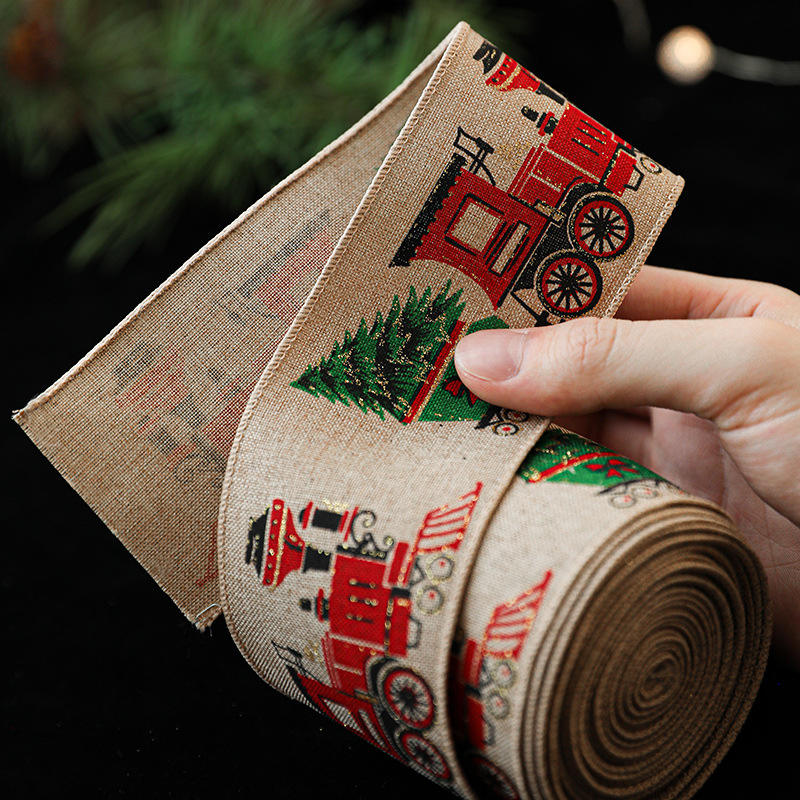
Polyester Christmas ribbon adds festive charm to wreaths, gifts, and decorations, but working with this synthetic material requires careful handling. Many crafters struggle with how to iron polyester ribbon without damaging the delicate fibers, as excessive heat can cause melting, discoloration, and permanent edge damage. Understanding the right technique to iron polyester ribbon is essential for maintaining crisp, professional-looking decorations throughout the holiday season.
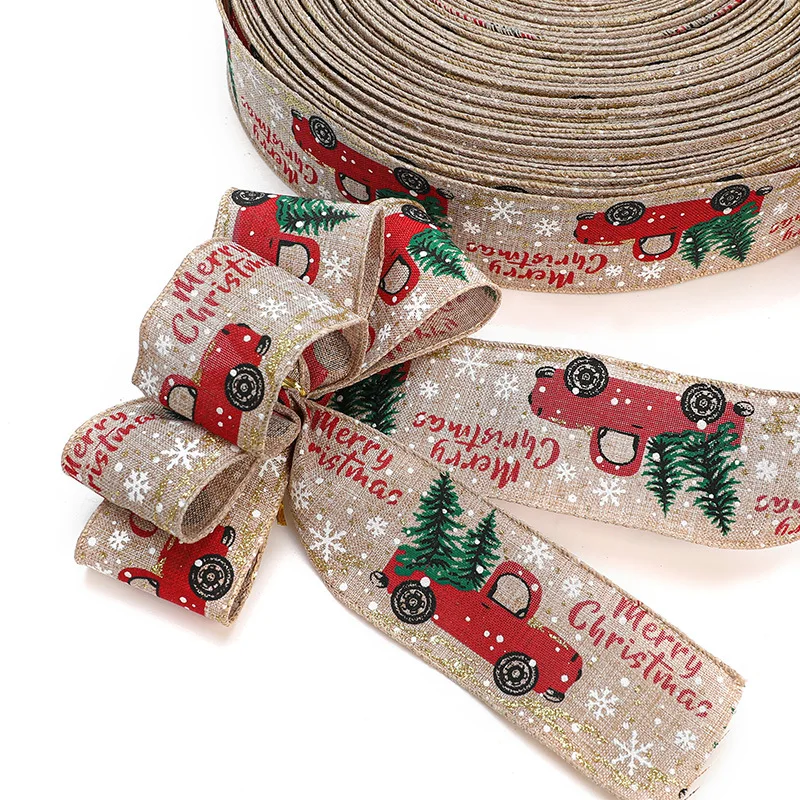
When you iron polyester ribbon correctly, you preserve its appearance and extend its usable life for future decorating projects. The challenge lies in balancing heat application with material protection, since polyester has a lower melting point than natural fabrics. This guide provides actionable strategies to iron polyester ribbon safely, ensuring your Christmas decorations maintain their visual appeal without compromising the ribbon's structural integrity.
Understanding Polyester Fabric and Heat Sensitivity
Why Polyester Requires Lower Heat Settings
Polyester is a synthetic thermoplastic fiber that melts when exposed to temperatures above approximately 260–280 degrees Fahrenheit. When you iron polyester ribbon at standard cotton or linen settings, which typically reach 400+ degrees, the heat penetrates the synthetic fibers and causes permanent structural damage. The edges of the ribbon are particularly vulnerable because they receive concentrated heat exposure without the reinforcement of doubled fabric layers that occur in the ribbon's main body.
Understanding this heat sensitivity is the foundational reason why learning to iron polyester ribbon demands a different approach than pressing natural fibers. Polyester also tends to develop shine when exposed to direct high heat, making the ribbon appear worn or cheap after improper pressing. This is why traditional ironing techniques fail when applied to polyester Christmas ribbon, and why specialized methods have become industry standard for professional decorators.
Recognizing When Ironing is Necessary
Not every wrinkle in polyester ribbon requires ironing. Minor creases often relax naturally within 24 hours of storage. However, when you iron polyester ribbon becomes necessary is when deep fold marks compromise the visual quality of your Christmas decorations, such as permanent creases from storage or transportation. Sharp wrinkles visible from a standard viewing distance are the signal that you should iron polyester ribbon using protective methods rather than applying heat directly to the material.
Optimal Techniques for Ironing Polyester Ribbon
Dry Iron Method with Low Temperature Settings
The safest approach when you iron polyester ribbon involves using a conventional iron set to the lowest synthetic fabric setting, typically between 230–250 degrees Fahrenheit. Before applying the iron to your Christmas ribbon, always test on a hidden or scrap section to verify the temperature is appropriate. Fill your iron with distilled water if steam assistance is needed, but keep steam at minimal levels since excess moisture combined with heat can accelerate edge melting when you iron polyester ribbon.
Place your polyester ribbon on a flat, smooth ironing surface covered with a clean cotton cloth to provide cushioning. Apply gentle, even pressure rather than pressing firmly, and use smooth gliding motions rather than lifting and dropping the iron repeatedly. The protective cloth layer between the iron and ribbon is critical when you iron polyester ribbon because it diffuses heat distribution and prevents direct contact that would otherwise cause localized melting at the ribbon edges.
Protective Barrier Method for Edge Safety
Professional designers who regularly iron polyester ribbon use the protective barrier technique to safeguard edges from thermal damage. Lay your polyester Christmas ribbon flat on the ironing board, then drape a thin cotton cloth or pressing cloth over the entire ribbon surface. When you iron polyester ribbon using this method, the cloth acts as a thermal buffer, reducing direct heat transfer to the synthetic fibers while still providing enough warmth to release wrinkles.
For particularly delicate ribbon edges, fold the protective cloth around the ribbon perimeter to create double-layer coverage at the margins where melting risk is highest. This technique adds extra time to your process, but when you iron polyester ribbon this way, edge integrity remains guaranteed. Many professional decorators keep several pressing cloths specifically designated for synthetic ribbon work to maintain consistent protection when ironing polyester ribbon across multiple projects.
Steam-Free Pressing for Sensitive Ribbons
If your polyester Christmas ribbon features printed designs, metallic accents, or special finishes, avoid steam entirely when you iron polyester ribbon because moisture can damage these embellishments. Instead, use the dry heat setting only, maintaining the iron temperature at the lowest synthetic level and allowing the protective cloth to sit on the ribbon for several seconds before moving the iron across the surface. This waiting period allows gentle heat penetration without the aggressive moisture that steam introduces.
When you iron polyester ribbon with delicate finishes, move the iron slowly and deliberately in the direction of the ribbon weave. Never apply the iron perpendicular to the ribbon edges, as this concentrates heat along the vulnerable margins where melting occurs most readily. The entire process of properly ironing polyester ribbon with special finishes requires patience and a lower overall temperature than standard polyester work.
Practical Storage and Prevention Strategies
Proper Storage Methods to Minimize Future Wrinkles
The most effective strategy for maintaining your polyester Christmas ribbon involves preventing wrinkles before they require ironing. Store your ribbon loosely rolled around cardboard tubes rather than folded tightly in storage boxes, as compression creates permanent creases that are difficult to remove when you later iron polyester ribbon. Wrapping each rolled section with acid-free tissue paper prevents rubbing and maintains the ribbon's smoothness for the next holiday season.
When you prepare to iron polyester ribbon, first check whether the wrinkles might naturally release through hanging. Suspend the ribbon vertically in a steamy bathroom or use a clothing steamer on the lowest setting held several inches away from the material. This alternative approach often eliminates the need to iron polyester ribbon directly, protecting the edges from any risk of thermal damage while still releasing storage-related creases.
Conditioning Polyester Ribbon Between Uses
Professional decorators condition their polyester Christmas ribbon collection to maintain flexibility and resist permanent creasing. A light fabric conditioner spray applied to stored ribbon helps maintain fiber elasticity, making wrinkles easier to release when you eventually need to iron polyester ribbon. This conditioning treatment also reduces the likelihood that you will need to iron polyester ribbon at all, as the maintained fiber structure resists setting into permanent folds.
Apply the conditioning spray to ribbon sections before storing them, and allow the ribbon to dry completely before rolling. When stored properly with this preventative care, polyester ribbon rarely develops the deep creases that would require high-heat pressing. This approach significantly reduces the frequency that you must iron polyester ribbon, extending the usable life of your Christmas decoration inventory.
FAQ
What temperature should I use when I iron polyester ribbon?
Set your iron to the lowest synthetic fabric setting, typically 230–250 degrees Fahrenheit, when you iron polyester ribbon. Always use a protective cloth barrier between the iron and ribbon to diffuse heat and prevent direct contact with the synthetic fibers. Never use standard cotton or linen settings, as these temperatures exceed polyester's melting point and will cause permanent damage to your Christmas ribbon.
Can steam damage polyester ribbon when I iron it?
Steam combined with high heat accelerates edge melting when you iron polyester ribbon, especially on ribbons with special finishes or metallic accents. For decorated polyester Christmas ribbon, use dry heat only at the lowest setting. For plain polyester ribbon, minimal steam may be acceptable if the iron temperature remains in the safe range and a protective cloth separates the steam source from the ribbon material.
How can I avoid needing to iron polyester ribbon at all?
Store polyester Christmas ribbon rolled loosely around cardboard tubes rather than folded tightly, as compression creates permanent creases. Use a clothing steamer on the lowest setting held several inches away as an alternative when you need to remove wrinkles from polyester ribbon without the risk associated with direct ironing. Proper storage and conditioning treatments significantly reduce the frequency that you must iron polyester ribbon throughout your decorating seasons.