 EN
EN

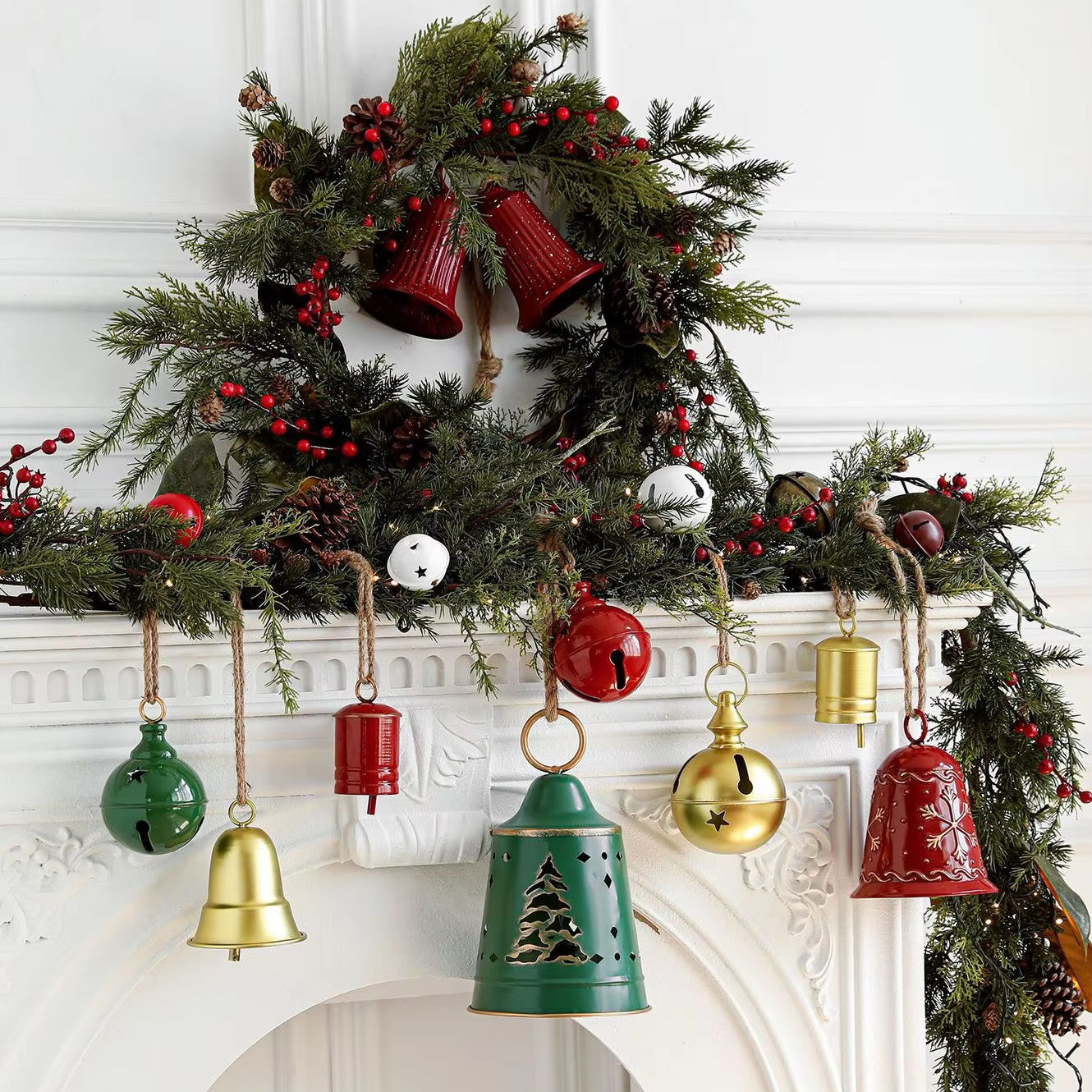
Metallic Christmas balls are among the most elegant ornaments used to decorate trees and interior spaces during the holiday season. Their reflective surfaces catch light beautifully, creating a festive atmosphere that few other decorations can match. However, metallic Christmas balls are also vulnerable to a very specific and frustrating problem: oxidation. When exposed to high humidity levels — common in many homes during winter months — metallic Christmas balls can quickly lose their shiny finish, developing dull patches, dark spots, or even a visible film of tarnish that diminishes their visual appeal.
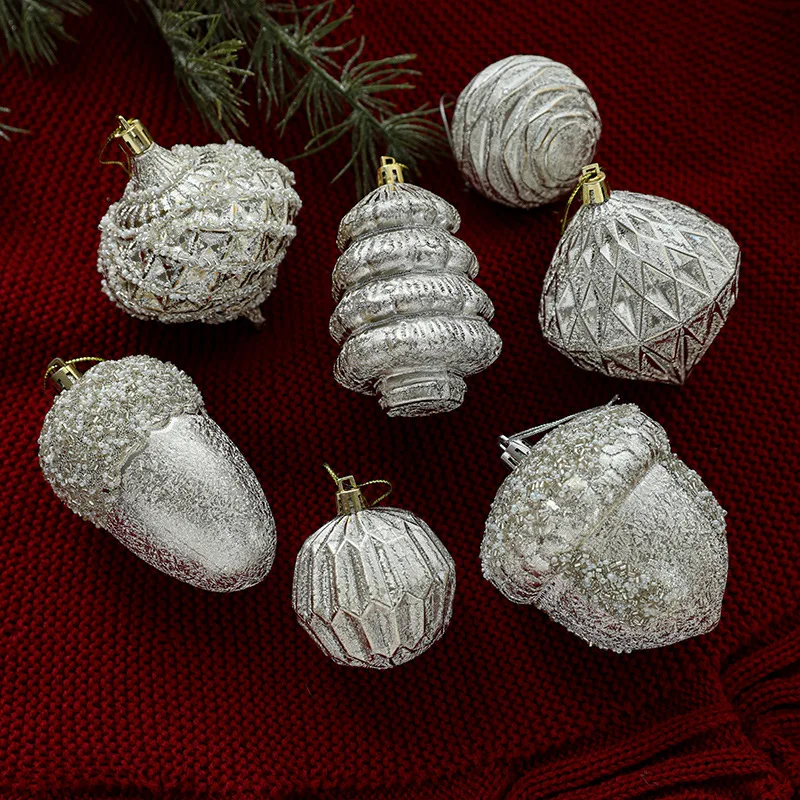
Understanding how to properly care for and protect metallic Christmas balls from oxidation is essential for anyone who invests in quality holiday décor. Whether you are a homeowner, a professional event decorator, or a B2B buyer sourcing ornaments for retail or hospitality spaces, keeping metallic Christmas balls in pristine condition throughout the season — and for many seasons to come — requires a clear strategy. This guide explains exactly what causes oxidation on metallic Christmas balls and provides practical, proven steps to prevent it effectively.
Why Humidity Causes Metallic Christmas Balls to Oxidize
The Chemistry Behind Tarnish on Metallic Christmas Balls
Oxidation on metallic Christmas balls occurs when metal surfaces react with oxygen and moisture in the surrounding air. In humid rooms, water vapor settles on the surface of metallic Christmas balls and creates a thin electrochemical environment that accelerates the reaction between the metal coating and atmospheric gases. This is why metallic Christmas balls placed near kitchens, bathrooms, or rooms with poor ventilation are far more likely to tarnish than those kept in dry, well-circulated spaces. The metallic finishes commonly used on metallic Christmas balls — including silver, gold, and copper tones — each have their own oxidation characteristics, but all are susceptible to moisture-driven degradation when left unprotected.
Environmental Factors That Speed Up Oxidation
Beyond general humidity, several room-specific factors accelerate the tarnishing of metallic Christmas balls. Rooms with open cooking areas generate steam and airborne oils that deposit on metallic Christmas balls and create a film that traps moisture against the surface. Central heating systems that cycle on and off produce sharp temperature swings, causing condensation to form directly on metallic Christmas balls. Even the proximity of candles or fireplaces introduces sulfur compounds into the air, which react aggressively with the metallic coatings on metallic Christmas balls. Recognizing these environmental triggers is the first step toward a meaningful prevention plan.
Protective Measures to Shield Metallic Christmas Balls from Moisture
Surface Sealants and Protective Coatings
One of the most effective ways to prevent oxidation on metallic Christmas balls is to apply a thin, clear protective coating before displaying them. Products such as clear acrylic spray sealants are widely used to create a transparent barrier over the surface of metallic Christmas balls, preventing moisture and oxygen from directly contacting the metal finish. When applying a sealant to metallic Christmas balls, always work in a well-ventilated area and use light, even passes to avoid drips or clouding. A properly applied sealant can dramatically extend the lifespan of metallic Christmas balls in humid environments without altering their appearance. For metallic Christmas balls intended for multi-season use, reapplying the sealant at the start of each holiday season is a worthwhile maintenance step.
Humidity Control in Display Areas
Controlling the ambient humidity in rooms where metallic Christmas balls are displayed is equally important. A portable dehumidifier placed in the room can reduce relative humidity to a level where oxidation slows significantly. Ideally, metallic Christmas balls should be displayed in rooms where the relative humidity is maintained below 50 percent. Silica gel packets placed near display areas or inside storage containers also help absorb excess moisture that might otherwise settle on metallic Christmas balls. In commercial or retail settings, where large quantities of metallic Christmas balls are displayed together, investing in humidity monitoring equipment ensures that conditions remain consistently safe for delicate ornaments.
Storage and Handling Best Practices for Metallic Christmas Balls
Proper Storage Conditions Between Seasons
How metallic Christmas balls are stored between holiday seasons has a direct impact on how well they resist oxidation over time. Metallic Christmas balls should always be stored in airtight containers or sealed bags to limit their exposure to ambient moisture. Wrapping individual metallic Christmas balls in acid-free tissue paper adds an additional layer of protection by absorbing any residual moisture before it can react with the metallic surface. Avoid storing metallic Christmas balls in basements, attics, or garages where humidity levels fluctuate widely. Instead, choose interior closets or climate-controlled storage rooms where both temperature and humidity remain stable throughout the year.
Careful Handling to Avoid Surface Damage
The way metallic Christmas balls are handled during decoration and removal also matters. Oils and salts from human hands can accelerate surface oxidation on metallic Christmas balls significantly. Wearing clean cotton gloves while handling metallic Christmas balls reduces the transfer of skin oils onto their delicate surfaces. If metallic Christmas balls are handled without gloves, gently wiping them with a soft, dry microfiber cloth before storage removes any fingerprints or residues that could trigger localized oxidation. Never use abrasive cloths or chemical cleaners on metallic Christmas balls, as these can strip protective coatings and make the surfaces even more vulnerable to future tarnishing. Treating metallic Christmas balls with consistent care from the start preserves their finish reliably across multiple holiday seasons.
FAQ
Can metallic Christmas balls be restored after oxidation has already occurred?
In mild cases, metallic Christmas balls with slight tarnish can be gently cleaned with a soft cloth and a specialized metal polish designed for delicate surfaces. However, heavily oxidized metallic Christmas balls may have permanently damaged coatings that cannot be fully restored without professional refinishing. Prevention is always more effective and less costly than attempting to reverse oxidation damage on metallic Christmas balls.
How often should I reapply a protective sealant to metallic Christmas balls?
For metallic Christmas balls used each holiday season, reapplying a clear acrylic sealant once per year — ideally before placing them on display — provides reliable ongoing protection. If metallic Christmas balls are displayed in particularly humid environments, a mid-season inspection and light reapplication may be beneficial to ensure continuous coverage and oxidation resistance throughout the entire display period.
Are some metallic Christmas balls more resistant to oxidation than others?
Yes. Metallic Christmas balls with electroplated or powder-coated finishes tend to offer better oxidation resistance compared to those with thin paint-based metallic finishes. When sourcing metallic Christmas balls for long-term decorative use, inquiring about the type of metallic finish and whether any factory-applied protective coating is included can help buyers select options that are inherently better suited to humid display conditions.