 EN
EN

Choosing the right mini christmas tree means thinking beyond the initial purchase and considering how the mini christmas tree will look after months or years tucked away in storage. A mini christmas tree that collapses, fades, or loses its needles during downtime is disappointing and wasteful, particularly when holiday seasons return year after year. The material composition of a mini christmas tree directly determines whether it maintains its original shape, color vibrancy, and structural integrity after extended storage periods. Understanding which materials preserve the mini christmas tree's form is essential for making an investment that lasts decades rather than a single season.
Storage conditions expose a mini christmas tree to temperature fluctuations, humidity, dust, and physical pressure that can permanently damage low-quality materials. A mini christmas tree made from substandard plastic or fabric becomes brittle, warped, or discolored when exposed to these storage stressors. Premium materials used in high-end mini christmas tree designs are engineered to resist deformation, maintain color consistency, and preserve needle attachment even after years in closets or attics. By examining material science and real-world durability data, you can select a mini christmas tree that remains picture-perfect season after season.
PVC and PE: Premium Materials for Permanent Shape Retention
PVC as the Gold Standard for Mini Christmas Tree Durability
Polyvinyl chloride, commonly known as PVC, is the material of choice for premium mini christmas tree products designed to withstand extended storage. A mini christmas tree constructed with PVC branches maintains rigidity and shape because PVC resists creeping—the gradual permanent deformation that occurs when plastics are compressed or stressed over time. Unlike cheaper polystyrene or low-grade polyethylene, a mini christmas tree made from PVC branches will not develop permanent bends, sagging limbs, or collapsed sections after being packed into storage containers for six to eleven months annually.
The chemical stability of PVC also means a mini christmas tree keeps its color under long-term storage conditions. Temperature swings in attics or garages do not cause the pigments embedded in PVC to fade or shift, so a mini christmas tree that leaves storage looks identical to the day it was packed away. PVC's resistance to moisture absorption prevents a mini christmas tree from becoming waterlogged or developing mold growth during humid storage seasons. Additionally, the needle attachment in a high-quality mini christmas tree with PVC tips remains secure because PVC maintains its structural integrity at the microscopic level where fibers anchor to branches.
Polyethylene Alternatives in Mini Christmas Tree Construction
Polyethylene, particularly high-density polyethylene (HDPE), offers another material option for mini christmas tree products seeking durability without premium pricing. A mini christmas tree built with PE branches demonstrates reasonable shape retention over multiple storage cycles, though PE generally yields slightly to stress more readily than PVC. The mini christmas tree material science shows that PE branches will tolerate folding and compression without immediate cracking, making it suitable for compact storage footprints. However, a mini christmas tree manufactured from standard PE may show subtle sagging or slight permanent bends after five or more years of repetitive storage and retrieval cycles.
A mini christmas tree using PE benefits from lower manufacturing costs, which translates to more affordable retail pricing. The needle quality in a mini christmas tree with PE construction can match PVC options if the mini christmas tree manufacturer uses reinforced attachment methods. A mini christmas tree stored in cool, stable conditions will preserve its PE material's appearance and structure far better than one stored in temperature-extreme environments. For budget-conscious buyers expecting replacement after five to seven years, a mini christmas tree in PE presents acceptable value and adequate shape retention through that timeframe.
Pine-Colored and Berry-Decorated Mini Christmas Tree Materials
Coloring Techniques That Prevent Fading During Storage
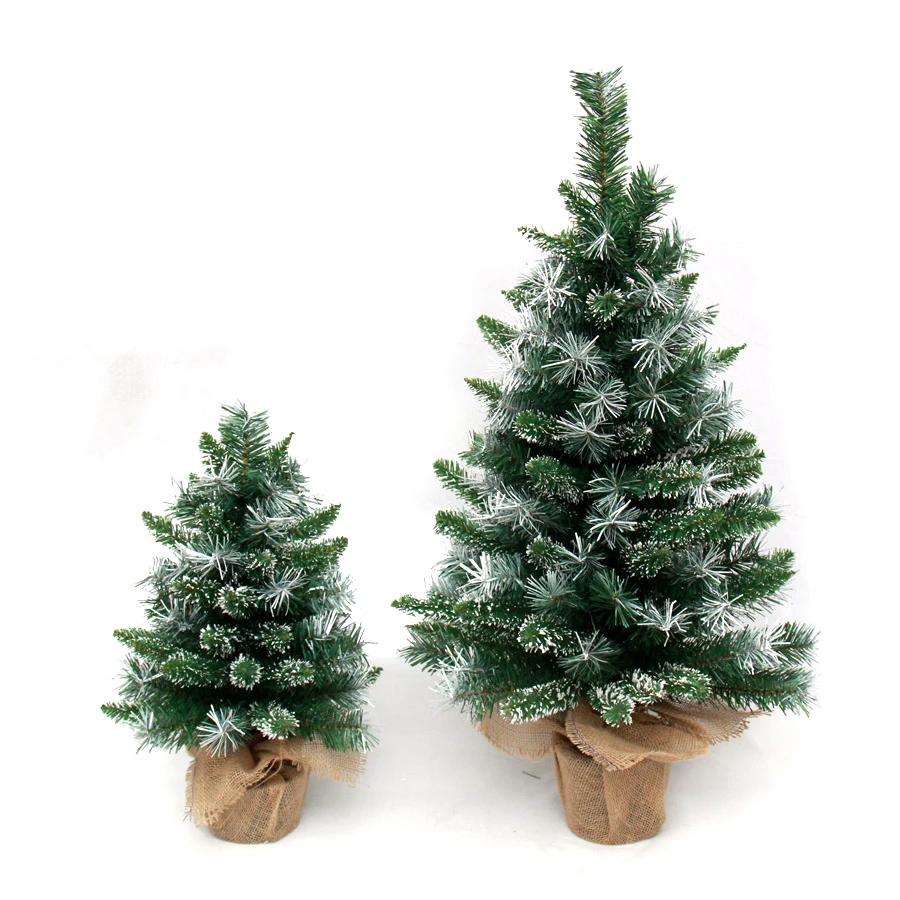
A mini christmas tree featuring pine-colored needles requires specific material treatment to maintain that naturalistic green hue through extended storage. The material formula in a premium mini christmas tree incorporates UV-resistant colorants and pigments bound directly into the plastic polymer, not merely painted on the surface. A mini christmas tree with this integral coloring method will never show fading or flaking because the color is part of the material's molecular structure. Mass-produced mini christmas tree products sometimes use inferior surface coatings that chip, fade, or bleach when exposed to storage environments with temperature changes and residual light.
A mini christmas tree designed for years of storage includes matte finish treatments that prevent the material from becoming shiny or yellowed over time. The matte finish on a high-quality mini christmas tree mimics real pine foliage and ages beautifully, remaining photorealistic even after a decade of seasonal use and storage. A mini christmas tree with glossy or poorly treated material will look increasingly artificial and worn, detracting from holiday aesthetics when unpacked each year.
Berry and Decorative Elements in Durable Mini Christmas Tree Design
A mini christmas tree decorated with berries or other embellishments requires material engineering to keep those accessories secure and vibrant through storage stress. The material adhesive used to attach berries to a mini christmas tree must remain flexible and reliable across temperature ranges spanning thirty to fifty degrees Fahrenheit. A mini christmas tree with hot-glued or poorly secured berries will shed decorative elements during storage, leaving a sparse and unattractive tree when unpacked. Premium mini christmas tree manufacturers use two-part epoxy and mechanical fastening methods that survive compression and temperature cycling without berry loss.
A mini christmas tree with berry decorations colored using UV-stable dyes maintains its festive appearance year after year, while a mini christmas tree using standard dyes experiences color degradation and berry brittleness after two or three storage cycles. The material base of the berry itself must be durable polyurethane or similar compounds, not cheap foam that compresses and never rebounds. A mini christmas tree featuring high-quality berry decorations is an investment in consistent holiday visual impact across multiple years of use.
Storage Best Practices for Preserving Mini Christmas Tree Material Integrity
Environmental Conditions That Impact Mini Christmas Tree Material Performance
Even premium materials used in a mini christmas tree can suffer premature degradation if storage conditions are neglected. A mini christmas tree stored in an attic exposed to temperatures above eighty-five degrees Fahrenheit will experience accelerated plastic aging and potential discoloration. A mini christmas tree kept in damp basements risks mold growth on both the material surface and internal branch cavities, compromising both appearance and structural integrity. The ideal storage environment for a mini christmas tree maintains steady temperatures between fifty and seventy degrees Fahrenheit with low humidity below forty percent, protecting the material from both heat stress and moisture infiltration.
A mini christmas tree wrapped in breathable cloth rather than sealed plastic bags preserves material flexibility and prevents moisture accumulation. A mini christmas tree stored vertically, supported at the base, maintains its material shape far better than one bent or crushed under weight in cramped spaces. A mini christmas tree kept in a dedicated storage container away from direct light and extreme conditions will demonstrate superior material preservation compared to one casually packed among other holiday items.
Inspection and Maintenance for Extended Mini Christmas Tree Lifespan
Before deploying a mini christmas tree after storage, inspect the material surface for cracks, discoloration, or needle loss that might indicate storage stress. A mini christmas tree showing minor material brittleness can be restored with light conditioning, gently flexing branches to regain polymer flexibility. A mini christmas tree that has experienced significant material degradation or permanent deformation may be time for replacement, as restoring compromised structural material is rarely practical. Applying protective treatments to a mini christmas tree material before storage, such as anti-static sprays designed for plastic care, can extend the lifespan and preserve aesthetics.
FAQ
What material should I choose for a mini christmas tree that will last ten years?
PVC is the top material choice for a mini christmas tree designed to last a full decade of annual storage cycles. A mini christmas tree made from reinforced PVC with integrated coloring, secure needle attachment, and quality fasteners for decorative elements will maintain its shape, color, and appearance throughout ten years of repeated assembly and storage. Pair this material foundation with proper storage conditions—cool, dry environments with minimal temperature fluctuation—to ensure your mini christmas tree investment delivers consistent performance for an entire decade of holidays.
Do berry decorations on a mini christmas tree stay attached during storage?
A mini christmas tree with berries attached through professional epoxy or mechanical fastening will keep decorations secure through storage if manufactured to premium standards. A mini christmas tree featuring berries that were hot-glued or pressed on during assembly will likely shed berries during storage, especially if the mini christmas tree is compressed or experiences temperature stress. Before purchasing, verify that a mini Christmas tree's berry attachment method uses durable, temperature-resistant adhesives and that berries are made from flexible, impact-resistant materials.
Can I store a mini christmas tree in a garage or attic safely?
A mini christmas tree can survive garage or attic storage only if the material is premium grade and environmental conditions remain controlled. A mini christmas tree stored in an unheated garage experiencing freeze-thaw cycles or an attic reaching ninety degrees will experience material stress, discoloration, and potential structural damage. A mini christmas tree intended for garage or attic storage should use PVC material and be wrapped in breathable cloth inside a temperature-controlled container. A mini christmas tree stored in a climate-controlled basement or closet will experience far superior material preservation regardless of whether the base material is PVC or polyethylene.