 EN
EN

Proper storage of Christmas ribbon ensures your decorative materials remain pristine and ready for use year after year. Whether you've invested in premium burlap ribbons, elegant satin varieties, or specialty Christmas ribbon rolls, maintaining their quality through effective storage methods protects your investment and saves money on replacements. Understanding the fundamentals of ribbon preservation helps crafters and decorators maintain professional-looking holiday displays without the frustration of wrinkled, tangled, or damaged materials.
Understanding Different Christmas Ribbon Materials
Natural Fiber Christmas Ribbons
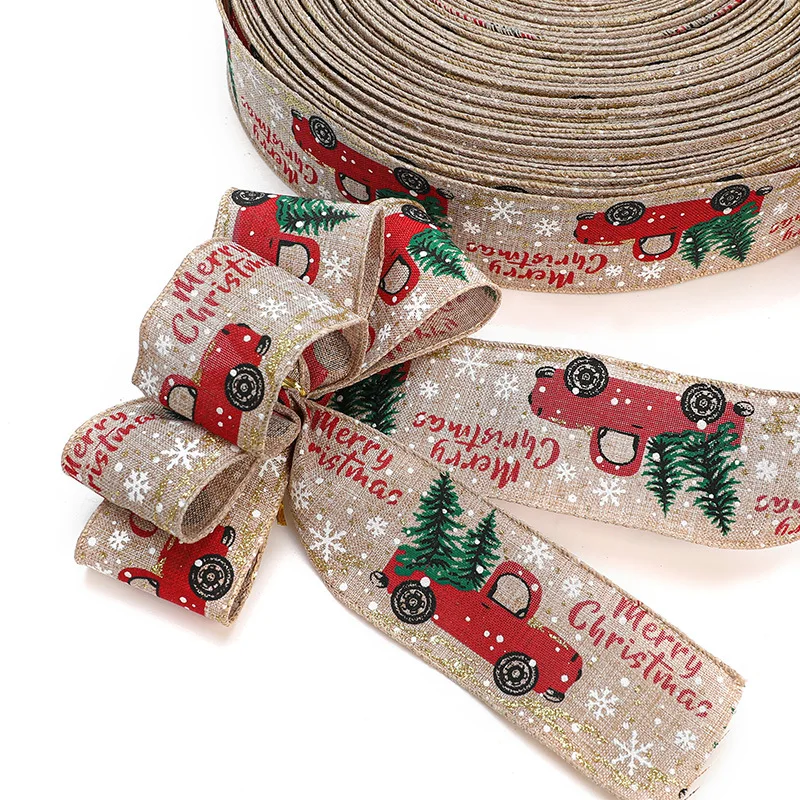
Burlap and linen-edge Christmas ribbon varieties require specific storage considerations due to their natural fiber composition. These materials are particularly susceptible to moisture damage, which can lead to mildew, discoloration, and structural deterioration. Natural fiber ribbons should be stored in breathable containers with adequate air circulation to prevent humidity buildup. Cedar blocks or lavender sachets can provide natural protection against insects while maintaining the integrity of organic materials.
When storing burlap Christmas ribbon, avoid plastic containers that trap moisture and create condensation. Instead, opt for cotton storage bags or cardboard boxes lined with acid-free tissue paper. The porous nature of natural fibers means they can absorb odors from surrounding materials, so maintain a clean, neutral storage environment free from strong scents or chemical products.
Synthetic Christmas Ribbon Options
Polyester, nylon, and other synthetic Christmas ribbon materials offer greater durability and resistance to environmental factors compared to natural fibers. These ribbons can withstand slightly more humid conditions and are less prone to insect damage. However, synthetic materials can develop permanent creases if stored improperly, making careful handling essential for maintaining their decorative appeal.
Synthetic Christmas ribbon responds well to temperature-controlled storage environments. Extreme temperature fluctuations can cause these materials to become brittle or lose their shape permanently. Store synthetic ribbons in areas with consistent temperatures between 60-70 degrees Fahrenheit for optimal preservation. Wire-edged synthetic ribbons require particular attention, as the internal wire can rust if exposed to moisture, potentially staining the fabric.
Professional Rolling and Winding Techniques
The Cardboard Core Method
Using cardboard tubes or cores provides the most effective method for preventing creases in Christmas ribbon during storage. Empty wrapping paper tubes work excellently for this purpose, though purpose-built ribbon storage tubes offer superior results. Wind the Christmas ribbon around the tube with consistent tension, avoiding both loose winding that allows shifting and tight winding that creates pressure creases.
Begin winding Christmas ribbon from one end of the tube, maintaining slight overlap with each revolution to prevent gaps where the ribbon might slip through. Secure the final end with a small piece of masking tape, avoiding adhesive contact with the decorative surface. Label each tube with the ribbon specifications, including width, length, color, and material type for easy identification during future decorating sessions.
Flat Storage Alternatives
Some delicate Christmas ribbon varieties benefit from flat storage methods, particularly those with raised textures, metallic finishes, or elaborate embellishments. Large, shallow drawers or storage boxes allow ribbons to lie completely flat without folding or bending. Layer ribbons between sheets of acid-free tissue paper to prevent color transfer and surface abrasion between different materials.
When implementing flat storage for Christmas ribbon, ensure adequate space to prevent overcrowding. Stacking too many layers creates pressure that can leave permanent impressions on lower ribbons. Consider using dividers or individual compartments within storage containers to keep different Christmas ribbon types separated and easily accessible.
Climate-Controlled Storage Solutions
Temperature and Humidity Management
Maintaining consistent environmental conditions preserves Christmas ribbon quality throughout extended storage periods. Ideal storage conditions involve temperatures between 60-70 degrees Fahrenheit with relative humidity levels around 45-55 percent. These conditions prevent both the drying and cracking associated with low humidity and the mold growth risks of excessive moisture.
Install humidity monitoring devices in Christmas ribbon storage areas to track environmental conditions accurately. Dehumidifiers or humidifiers can help maintain optimal levels in areas where natural conditions fall outside ideal ranges. Avoid storing Christmas ribbon in basements, attics, or other areas subject to significant temperature and humidity fluctuations throughout the year.
Light Protection Strategies
Ultraviolet light exposure causes fading, weakening, and deterioration in many Christmas ribbon materials. Store ribbons in dark locations away from windows, fluorescent lighting, and other UV sources. If display storage is necessary, use UV-filtering films on windows or LED lighting systems that produce minimal ultraviolet radiation.
Consider the cumulative effect of light exposure over multiple storage seasons. Even brief exposure to intense sunlight during storage container access can contribute to gradual Christmas ribbon degradation. Plan storage locations and access procedures to minimize light exposure while maintaining convenient access for seasonal decorating activities.
Container Selection and Organization Systems
Breathable Storage Options
Canvas storage bags, wooden boxes, and cardboard containers provide breathable environments that prevent moisture accumulation while protecting Christmas ribbon from dust and physical damage. These materials allow natural air circulation that helps prevent mold and mildew growth, particularly important for natural fiber ribbons that are susceptible to organic decay.
When selecting breathable containers for Christmas ribbon storage, ensure adequate size to prevent compression and overcrowding. Include cedar blocks or other natural preservatives to deter insects without introducing harmful chemicals that might damage delicate materials. Replace or refresh natural preservatives annually to maintain their effectiveness throughout the storage period.
Airtight Versus Ventilated Storage
While airtight containers protect Christmas ribbon from dust, insects, and moisture intrusion, they can create problems if residual humidity becomes trapped inside. Use airtight storage only in very humid environments or when storing ribbons containing metallic elements that might tarnish. Include desiccant packets to absorb any trapped moisture when using sealed containers.
Ventilated storage systems work better for most Christmas ribbon types, allowing natural moisture regulation while still providing protection from environmental contaminants. Mesh panels, small ventilation holes, or partially open lids facilitate air circulation without compromising security. Monitor stored Christmas ribbon regularly to ensure environmental conditions remain optimal regardless of container type selected.
Preventive Maintenance and Inspection
Regular Quality Assessments
Schedule periodic inspections of stored Christmas ribbon to identify developing problems before they cause permanent damage. Check for signs of insect activity, mold growth, discoloration, or structural deterioration at least twice annually. Early detection allows for corrective measures that can prevent total loss of decorative materials.
Document the condition of each Christmas ribbon during inspections, noting any changes from previous assessments. Photography can provide valuable reference material for tracking gradual changes that might not be immediately apparent. Maintain inventory records including purchase dates, storage methods used, and observed condition changes over time.
Cleaning and Refreshing Procedures
Light cleaning of Christmas ribbon before storage removes dust, fingerprints, and other contaminants that could attract pests or cause staining during extended storage periods. Use appropriate cleaning methods based on ribbon material composition, testing any cleaning products on inconspicuous areas first to ensure compatibility.
Refresh storage containers annually by cleaning interior surfaces, replacing any protective materials like tissue paper or desiccants, and updating labeling systems. This maintenance routine helps maintain optimal storage conditions and provides opportunities to reassess Christmas ribbon organization methods. Consider rotating stored ribbons to new positions to prevent permanent impressions from forming in consistently loaded areas.
Space-Efficient Organization Methods
Vertical Storage Systems
Implementing vertical storage maximizes available space while maintaining easy access to different Christmas ribbon varieties. Wall-mounted systems, tall storage cabinets, or purpose-built ribbon organizers can accommodate extensive collections without requiring excessive floor space. Ensure vertical systems provide adequate support to prevent sagging or falling that could damage stored materials.
Label vertical storage locations clearly to facilitate quick identification of specific Christmas ribbon types during busy decorating seasons. Consider transparent containers or open storage systems that allow visual identification without requiring container opening. Group similar ribbon types together within vertical systems to streamline selection processes and maintain organization over time.
Modular Storage Solutions
Modular storage systems adapt to changing collection sizes and storage space availability, making them ideal for growing Christmas ribbon inventories. Stackable containers, expandable organizers, and interconnecting storage units provide flexibility while maintaining consistent storage conditions across all components.
Design modular Christmas ribbon storage systems with future expansion in mind, selecting components that can integrate seamlessly as collections grow. Standardize container sizes and labeling systems across all modules to maintain organization efficiency. Consider seasonal accessibility needs when designing modular systems, ensuring frequently used Christmas ribbon types remain easily accessible.
FAQ
How long can Christmas ribbon be safely stored without deterioration
With proper storage conditions, high-quality Christmas ribbon can maintain its appearance and functionality for 10-15 years or more. Natural fiber ribbons like burlap typically have shorter lifespans of 5-8 years, while synthetic materials can last significantly longer when protected from UV light, extreme temperatures, and moisture. The key factors affecting longevity include storage environment quality, initial ribbon quality, and handling frequency during storage periods.
What signs indicate Christmas ribbon has been damaged during storage
Common signs of storage damage include permanent creasing, fading or discoloration, mold spots, insect holes, fraying edges, and loss of shape or texture. Metallic Christmas ribbon may show tarnishing or flaking, while wire-edged varieties might develop rust stains. Any musty odors, brittle texture, or visible deterioration indicates storage conditions need improvement. Early detection of these signs allows for salvage efforts and prevents further damage to other stored materials.
Can wrinkled Christmas ribbon be restored to its original condition
Many types of wrinkled Christmas ribbon can be restored using careful steaming, low-heat ironing, or professional pressing techniques. Natural fiber ribbons respond well to steam treatment, while synthetic materials may require heat pressing with protective cloth layers. However, prevention through proper storage remains more effective than restoration attempts, as some creases and wrinkles become permanent over time, particularly in delicate or heavily processed materials.
What storage mistakes commonly damage Christmas ribbon collections
The most damaging storage mistakes include using plastic bags that trap moisture, storing in temperature-fluctuating areas like attics or basements, overcrowding containers that create pressure creases, and failing to protect against light exposure. Additionally, storing different ribbon types together without separation can cause color transfer, while neglecting pest control measures can result in insect damage. Avoiding these common mistakes significantly extends Christmas ribbon lifespan and maintains decorative quality.