 EN
EN

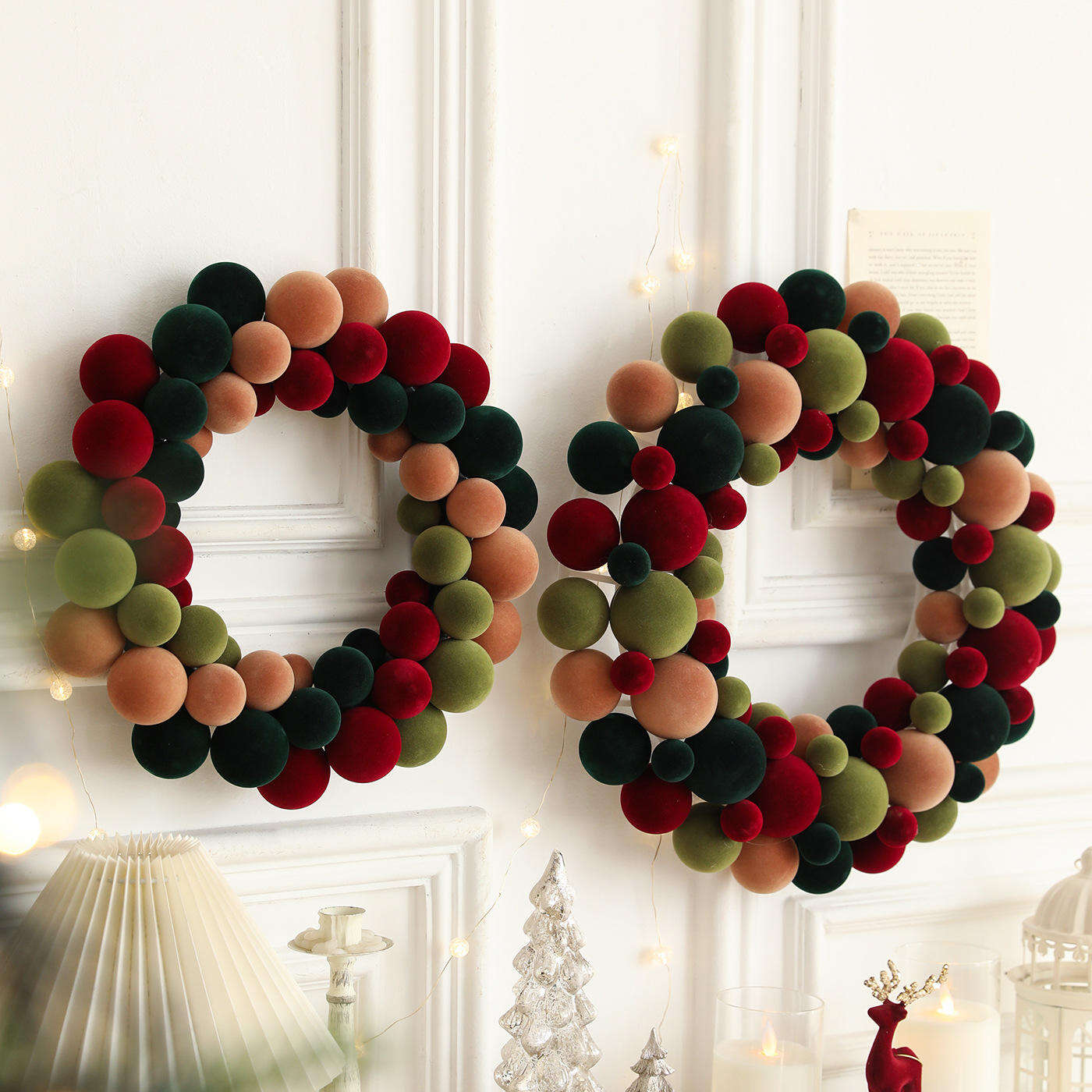
Storing Christmas decorations properly is one of the most overlooked tasks of the holiday season. Every year, countless households unwrap their Christmas decorations only to find crushed ornaments, flattened bows, and tangled garlands that are no longer usable. Protecting the shapes of your Christmas decorations matters just as much as choosing them in the first place.
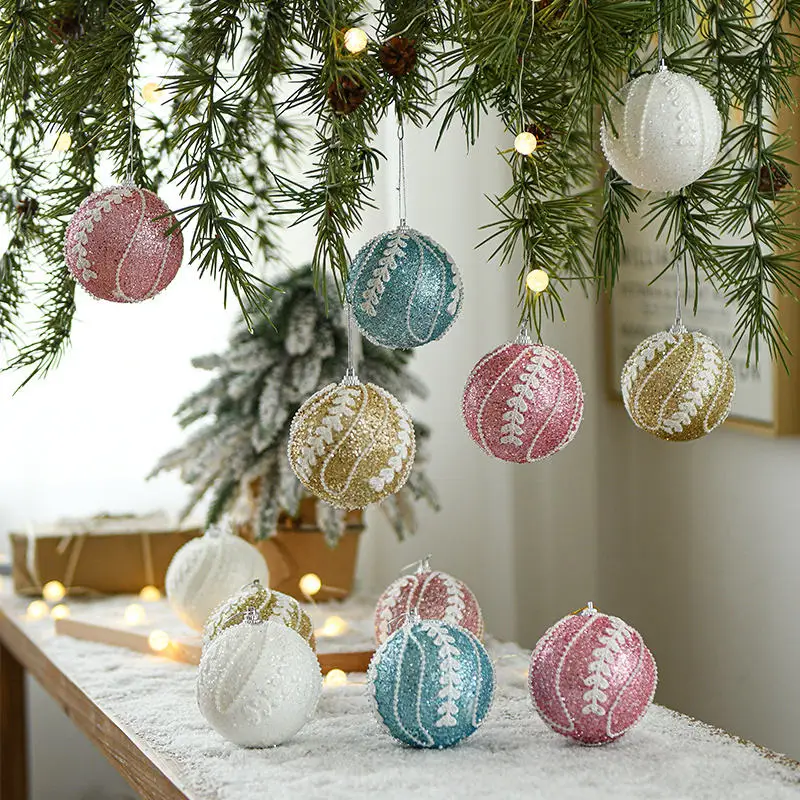
The good news is that storing Christmas decorations without crushing shapes is entirely achievable with the right methods and materials. Whether you are packing away delicate glitter balls, foam ornaments, or sculpted figurines, smart storage keeps your Christmas decorations looking pristine for years to come. This guide walks you through the best practices so your Christmas decorations remain as beautiful next season as they are today.
Why Shape Preservation Matters for Christmas Decorations
The Real Cost of Improper Storage
Many people underestimate how fragile Christmas decorations can be under pressure. Even Christmas decorations marketed as shatterproof can lose their shape, gloss, or finish when stacked carelessly. Foam-based Christmas decorations are especially vulnerable, since compressive weight over several months will permanently deform rounded or sculpted forms. Glitter-finished Christmas decorations can also lose their coating when surfaces rub together inside a box.
Replacing damaged Christmas decorations year after year adds unnecessary cost. More importantly, many Christmas decorations carry sentimental value that cannot be replaced. Personalized Christmas decorations, heirloom ornaments, and hand-crafted pieces deserve a storage approach that genuinely protects their structure and appearance.
How Pressure and Humidity Damage Christmas Decorations
Two main environmental threats affect stored Christmas decorations: physical pressure and humidity. Physical pressure from stacking boxes or overpacking containers crushes the shapes of Christmas decorations over time. Humidity causes some Christmas decorations to warp, discolor, or develop mold, particularly those made from fabric, paper, or foam. Understanding these threats helps you choose storage solutions that actively protect your Christmas decorations rather than simply containing them.
Best Storage Methods for Christmas Decorations
Individual Wrapping for Shaped Ornaments
The single most effective step you can take is to wrap each piece of your Christmas decorations individually. Use acid-free tissue paper or bubble wrap to cushion Christmas decorations before placing them in any container. This individual wrapping prevents Christmas decorations from pressing against each other, which is the primary cause of crushed shapes and scratched finishes. For round Christmas decorations such as glitter balls or foam spheres, tissue wrapping preserves the spherical profile without adding bulk.
Divider boxes are another excellent solution for Christmas decorations that include multiple small pieces. Purpose-made ornament storage boxes feature individual cells that hold each piece of Christmas decorations separately. These cells prevent movement during transport and ensure that Christmas decorations maintain their original shapes throughout the off-season. Look for boxes with adjustable dividers so you can accommodate Christmas decorations of different sizes.
Container Selection for Christmas Decorations
The container you choose has a direct impact on how well your Christmas decorations survive long-term storage. Rigid plastic bins with secure lids protect Christmas decorations from crushing far better than soft bags or cardboard boxes. Cardboard boxes absorb moisture, which can damage Christmas decorations from below, and they collapse under weight from above. Hard-sided containers maintain their shape regardless of what is stacked on top, giving your Christmas decorations a stable, pressure-free environment.
Clear containers are particularly useful because you can identify your Christmas decorations at a glance when unpacking. Labeling each container with the type of Christmas decorations inside further simplifies retrieval and helps you avoid opening multiple boxes to find specific pieces. Keeping similar Christmas decorations together — for example, all tree ornaments in one bin and all tabletop Christmas decorations in another — creates an organized system that saves time every holiday season.
Layering and Padding Techniques
When placing Christmas decorations inside a container, layering order matters. Start with a base layer of padding — crumpled acid-free paper or foam inserts work well — before placing your Christmas decorations on top. Add padding between each layer of Christmas decorations rather than stacking them directly. Never fill a box so tightly that the lid presses down on the top layer of Christmas decorations, as this is a leading cause of shape damage.
Heavier Christmas decorations should always go on the bottom of a container, with lighter, more delicate Christmas decorations placed above them. This layering principle ensures that fragile Christmas decorations are never crushed by the weight of denser items. Foam ball Christmas decorations, glitter ornaments, and shaped figurines all benefit significantly from this approach.
Long-Term Storage Conditions for Christmas Decorations
Choosing the Right Storage Location
Where you store your Christmas decorations is as important as how you pack them. Avoid attics and garages where temperature swings are extreme, as heat and cold cycles can warp, crack, or discolor Christmas decorations over multiple seasons. A climate-controlled interior space such as a closet, storage room, or under-bed area provides a stable environment where Christmas decorations remain in top condition.
Keep your Christmas decorations away from direct sunlight during storage. UV exposure fades colors and weakens materials in Christmas decorations, especially those with glitter finishes, painted surfaces, or foam components. A dark, dry, and stable environment is the ideal long-term home for all your Christmas decorations.
Seasonal Maintenance Before Storage
Before packing away your Christmas decorations, inspect each piece for damage, dust, or moisture. Clean Christmas decorations gently with a soft dry cloth before storage to remove any residue that could degrade materials over time. Damaged Christmas decorations should be repaired or replaced before storage so you are not unpleasantly surprised the following season. Taking a few extra minutes to care for your Christmas decorations before packing them away significantly extends their lifespan.
FAQ
Can I store Christmas decorations in the original packaging?
Yes, original packaging is often designed to protect Christmas decorations well, especially for ornaments and shaped pieces. However, original boxes may degrade over time, so transferring your Christmas decorations to rigid plastic bins with dividers offers better long-term protection.
How do I prevent glitter from rubbing off Christmas decorations during storage?
Wrap each glitter-covered piece of Christmas decorations individually in tissue paper before placing it in a container. This prevents surface-to-surface contact that causes glitter loss and keeps Christmas decorations looking freshly decorated each season.
Is it safe to vacuum-seal Christmas decorations to save space?
Vacuum sealing is not recommended for shaped Christmas decorations such as foam balls, sculpted ornaments, or any Christmas decorations with three-dimensional forms. The compression will crush or distort those shapes permanently. Use rigid containers with padding instead to keep Christmas decorations intact while still organizing your storage space efficiently.