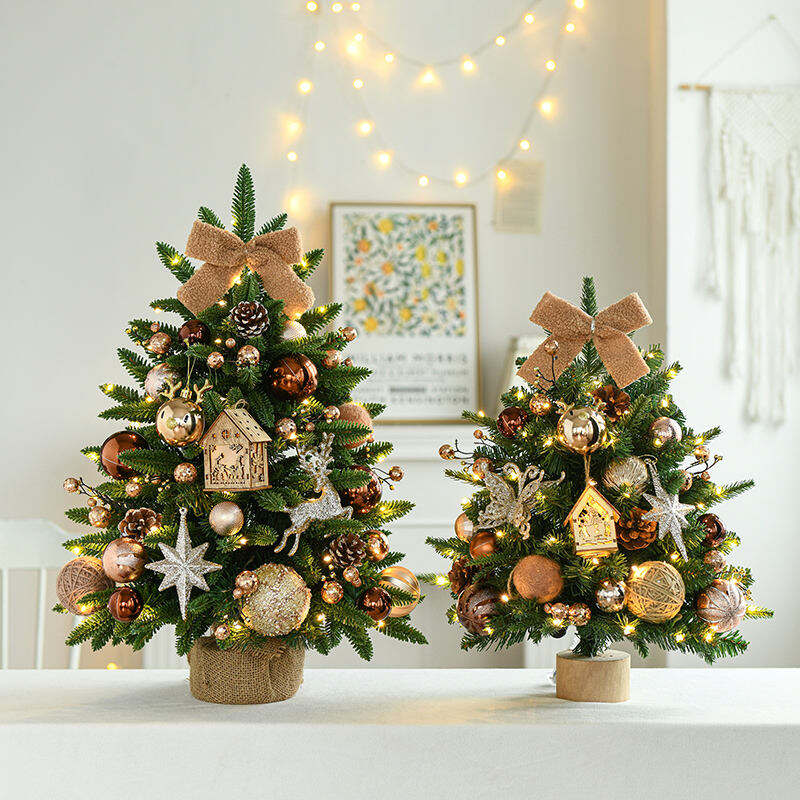
Sustainable and Eco-Friendly Holiday Decorating Solution
In an era where environmental responsibility influences purchasing decisions, small wooden christmas trees stand out as an exemplary choice for eco-conscious consumers who refuse to compromise style for sustainability. These decorative pieces address multiple environmental concerns that plague traditional holiday decorating options. Unlike real christmas trees that require years of growth, significant water resources, pesticide applications, and transportation emissions before ultimately ending up in landfills after just a few weeks of use, wooden alternatives offer a permanent solution that drastically reduces environmental impact over their lifespan. When manufacturers source materials from certified sustainable forests, FSC-approved suppliers, or utilize reclaimed wood from old furniture, construction materials, or fallen trees, they create products with minimal ecological footprints. The production process for small wooden christmas trees typically generates less waste than plastic tree manufacturing, which involves petroleum-based materials, energy-intensive molding processes, and chemical treatments that release harmful emissions. Wood is a renewable, biodegradable material that, even at the end of its decorative life, can be composted, repurposed, or recycled without leaving persistent pollutants in ecosystems. The longevity factor cannot be overstated; while disposable decorations contribute to the overwhelming waste generated during holiday seasons, a single wooden tree purchased today can serve faithfully for twenty, thirty, or even fifty years, potentially decorating homes for multiple generations within the same family. This durability translates to fewer resources consumed over time, reduced manufacturing demand, decreased transportation emissions, and less landfill contribution. Many artisan producers of small wooden christmas trees operate small-scale workshops that prioritize ethical labor practices, local sourcing, and minimal carbon footprints, allowing consumers to support sustainable business models rather than mass-production factories overseas. The natural finishing options available for these trees often include non-toxic, water-based stains and sealers, beeswax polishes, or simply leaving wood untreated to showcase its inherent beauty, avoiding the volatile organic compounds found in many conventional furniture finishes. For families teaching children about environmental stewardship, small wooden christmas trees provide tangible examples of making thoughtful consumption choices, demonstrating how beautiful, functional items can align with values of conservation and sustainability. The carbon sequestration that occurred during the original tree's growth remains locked in the wood material, effectively keeping that carbon out of the atmosphere throughout the decoration's lifetime, contributing positively to climate considerations rather than adding to problems.
 EN
EN