 EN
EN

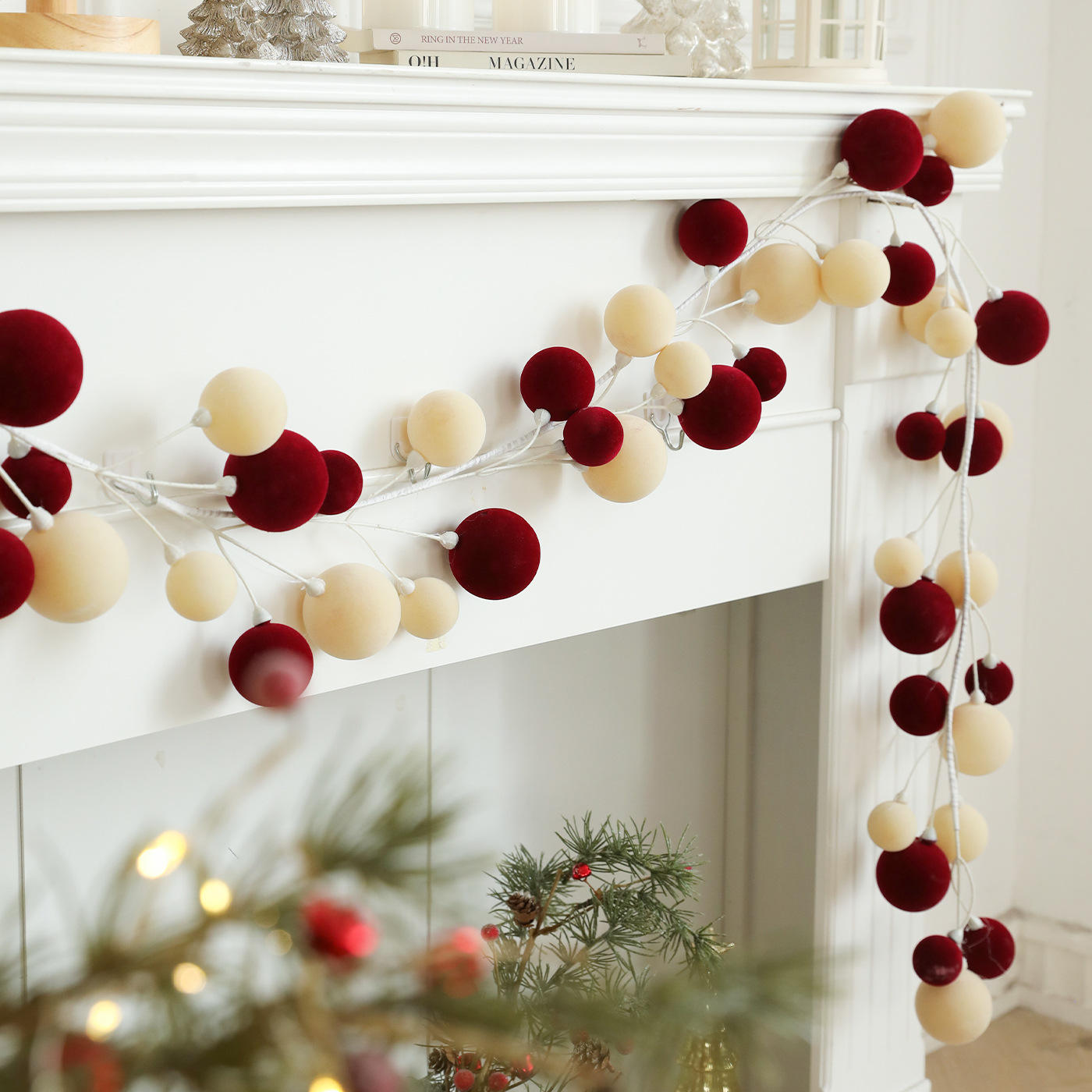
Christmas garland fading is a common concern for homeowners who display seasonal decorations prominently in windows and on walls throughout the holiday season. Many people invest in beautiful artificial or natural garlands to enhance their home's festive appeal, only to notice that the vibrant colors fade noticeably as weeks pass. Understanding how different window exposures affect Christmas garland fading can help you choose the best placement strategy and protect your holiday investment from premature color loss.
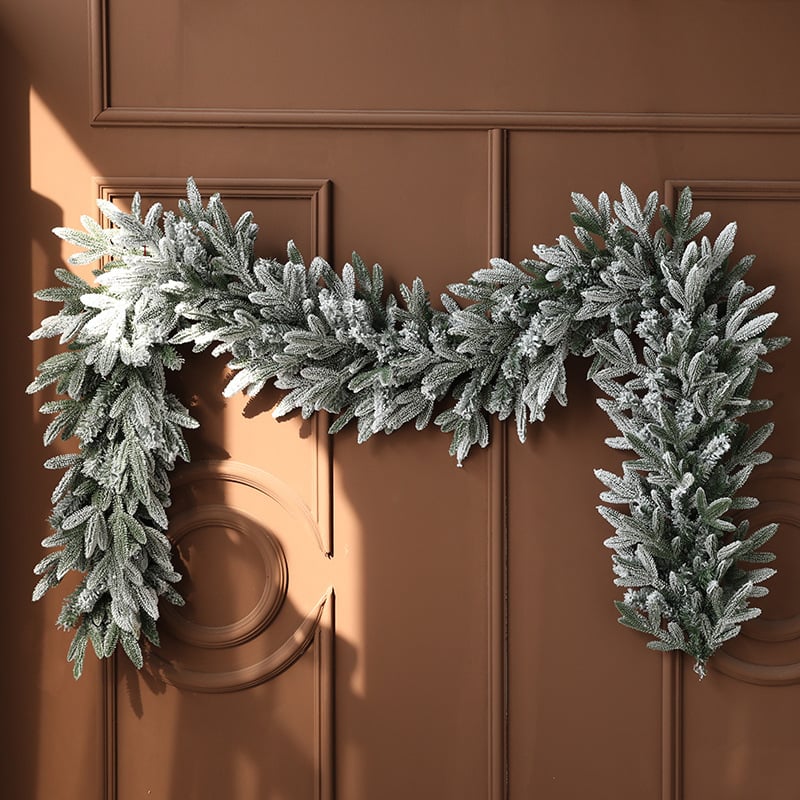
The short answer is yes: south-facing windows typically accelerate Christmas garland fading far more quickly than north-facing windows. This difference stems from the amount and intensity of ultraviolet radiation each exposure receives throughout the day. By learning how sunlight exposure impacts your garlands and implementing protective measures, you can maintain their appearance and extend their usable lifespan significantly.
How Sunlight Exposure Drives Christmas Garland Fading
The Role of UV Radiation in Color Degradation
The primary culprit behind Christmas garland fading is ultraviolet light, which breaks down the chemical bonds in dyes and pigments used in artificial garland materials. South-facing windows receive the most direct and intense UV exposure throughout the day, particularly in the Northern Hemisphere. When Christmas garland fading occurs due to UV exposure, the color molecules in the fabric or plastic materials gradually lose their ability to reflect light in the same way, resulting in a washed-out or bleached appearance over time.
North-facing windows, by contrast, receive little to no direct sunlight, which significantly slows the Christmas garland fading process. Even east-facing and west-facing windows typically generate less UV intensity than south-facing exposures. Understanding this distinction helps explain why identical garlands placed in different locations show dramatically different rates of color loss. Christmas garland fading happens regardless of window direction, but the speed and severity depend heavily on cumulative UV exposure.
Comparing Direct Versus Indirect Light Exposure
Direct sunlight streaming through a south-facing window creates intense UV radiation that concentrates on the garland surface for six to eight hours per day in winter months. This concentrated exposure accelerates Christmas garland fading substantially compared to areas receiving only ambient, diffused light. North-facing windows filter sunlight through atmospheric layers and often receive reflected light rather than direct rays, minimizing UV stress on decorative materials. The difference in Christmas garland fading rates between these exposures can range from two to four times faster in direct sunlight scenarios.
Indoor placement also matters significantly; garlands positioned on interior windowsills near south-facing glass still experience pronounced Christmas garland fading because UV light penetrates standard window panes. Even clear glass provides minimal UV filtering for visible color degradation of seasonal decorations. This is why many homeowners notice accelerated Christmas garland fading even when garlands are technically indoors rather than facing exterior elements like wind and rain.
Measuring and Predicting Christmas Garland Fading Rates
Seasonal Timing and Cumulative UV Exposure
The duration of holiday display significantly influences how much Christmas garland fading occurs. Most homeowners display garlands from early November through early January, creating roughly eight to ten weeks of continuous or intermittent light exposure. South-facing window installations during this period typically accumulate three to four times more UV radiation than north-facing placements. The winter season offers some protection because the sun hangs lower in the sky and provides shorter daylight hours, but south-facing Christmas garland fading still progresses noticeably even during winter months when temperatures are cool.
Accelerated Christmas garland fading becomes particularly visible after four to six weeks of south-facing exposure, with color loss becoming dramatic by eight to ten weeks. North-facing Christmas garland fading develops so gradually that most people don't notice significant changes during a typical holiday season. This timing difference makes window direction one of the most impactful factors in determining whether your Christmas garland fading appears minor or severe at the season's end.
Environmental Factors Affecting Fading Speed
Geographic location influences Christmas garland fading rates significantly; regions with greater solar intensity and clearer skies experience faster color degradation. High-altitude areas also suffer from increased UV exposure, intensifying Christmas garland fading beyond what lower elevations experience. Humidity levels can either accelerate or protect against fading, depending on how moisture interacts with specific garland materials. Some synthetic fibers degrade faster in humid conditions, while others remain relatively stable, making material selection important when planning long-term Christmas garland fading prevention.
Reflecting surfaces near south-facing windows can magnify Christmas garland fading by bouncing additional UV light back onto the garland. Stainless steel, white paint, and snow on the ground all amplify light intensity in the immediate area. This reflection effect means south-facing Christmas garland fading accelerates even faster near reflective building materials or during snowy winter periods. Understanding these contributing factors helps you make informed decisions about garland placement and protection strategies.
Strategies to Minimize Christmas Garland Fading
Protective Placement and Positioning Techniques
The most effective method to prevent Christmas garland fading is placing decorations in north-facing windows or other low-UV locations whenever possible. If south-facing windows offer the only suitable display option for your home's aesthetic, consider using Christmas garland fading-resistant materials or high-quality artificial garlands specifically treated for UV protection. Interior placement away from windows eliminates Christmas garland fading from direct sunlight entirely, though this reduces the visual impact of window displays. Rotating your garlands every week or two can also distribute UV exposure more evenly, reducing the severity of Christmas garland fading in any single location.
Using window shades, translucent curtains, or UV-blocking films provides an effective buffer against Christmas garland fading while maintaining holiday visibility. These solutions filter harmful UV wavelengths before light reaches your garlands, significantly slowing color degradation. This approach works particularly well for south-facing windows where you want to maintain a festive appearance without sacrificing your garland's longevity. The investment in protective materials often costs less than replacing premium garlands affected by severe Christmas garland fading.
Material Selection and Maintenance Practices
Premium artificial garlands manufactured with UV-stabilized compounds resist Christmas garland fading far better than economy alternatives. Look for garlands marketed with explicit UV resistance or fade-resistant certifications when shopping for holiday decorations intended for sunny locations. Natural garland options like fresh evergreen or garlands with preserved foliage typically show Christmas garland fading differently than synthetic alternatives; however, natural materials often brown and deteriorate faster under intense sun exposure. Proper storage in dark, cool environments during off-seasons preserves your garland's color integrity and prevents unnecessary oxidation that mimics or compounds Christmas garland fading.
Regular cleaning removes dust and atmospheric pollutants that can accelerate Christmas garland fading by creating an oxidized surface layer. Gently wiping garlands with soft, damp cloths every two weeks during the display season maintains color vibrancy and extends decoration lifespan. Avoid exposing garlands to extreme temperature fluctuations or moisture extremes, as these conditions stress materials and accelerate the Christmas garland fading process. Investing a small amount of effort in basic maintenance prevents the cumulative damage that results in noticeable Christmas garland fading by late December.
FAQ
Does north-facing window placement completely prevent Christmas garland fading?
North-facing window placement minimizes Christmas garland fading dramatically compared to south-facing exposure, though some fading occurs naturally over extended periods due to ambient light and environmental factors. You'll notice minimal color loss over a typical eight-to-ten-week holiday season, but placement in completely interior locations with no direct or indirect sunlight provides the absolute best protection against Christmas garland fading of any kind.
How much faster does Christmas garland fading occur in south-facing windows compared to other exposures?
Christmas garland fading in south-facing windows typically progresses two to four times faster than in north-facing windows, depending on geographic location, season, and material composition. During winter months when the sun sits lower, the difference narrows slightly, but south-facing Christmas garland fading still noticeably outpaces other orientations. High-altitude and high-latitude regions show the most dramatic differences between south-facing and north-facing Christmas garland fading rates.
Can I use UV-blocking window film to protect my south-facing garland from fading?
Yes, UV-blocking window films provide substantial protection against Christmas garland fading while maintaining the ability to see your decorations through the window. These films filter harmful UV wavelengths while allowing visible light through, significantly slowing the Christmas garland fading process. Window films designed for energy efficiency typically block 99% of UV radiation, making them highly effective for preventing Christmas garland fading in south-facing locations.