 EN
EN

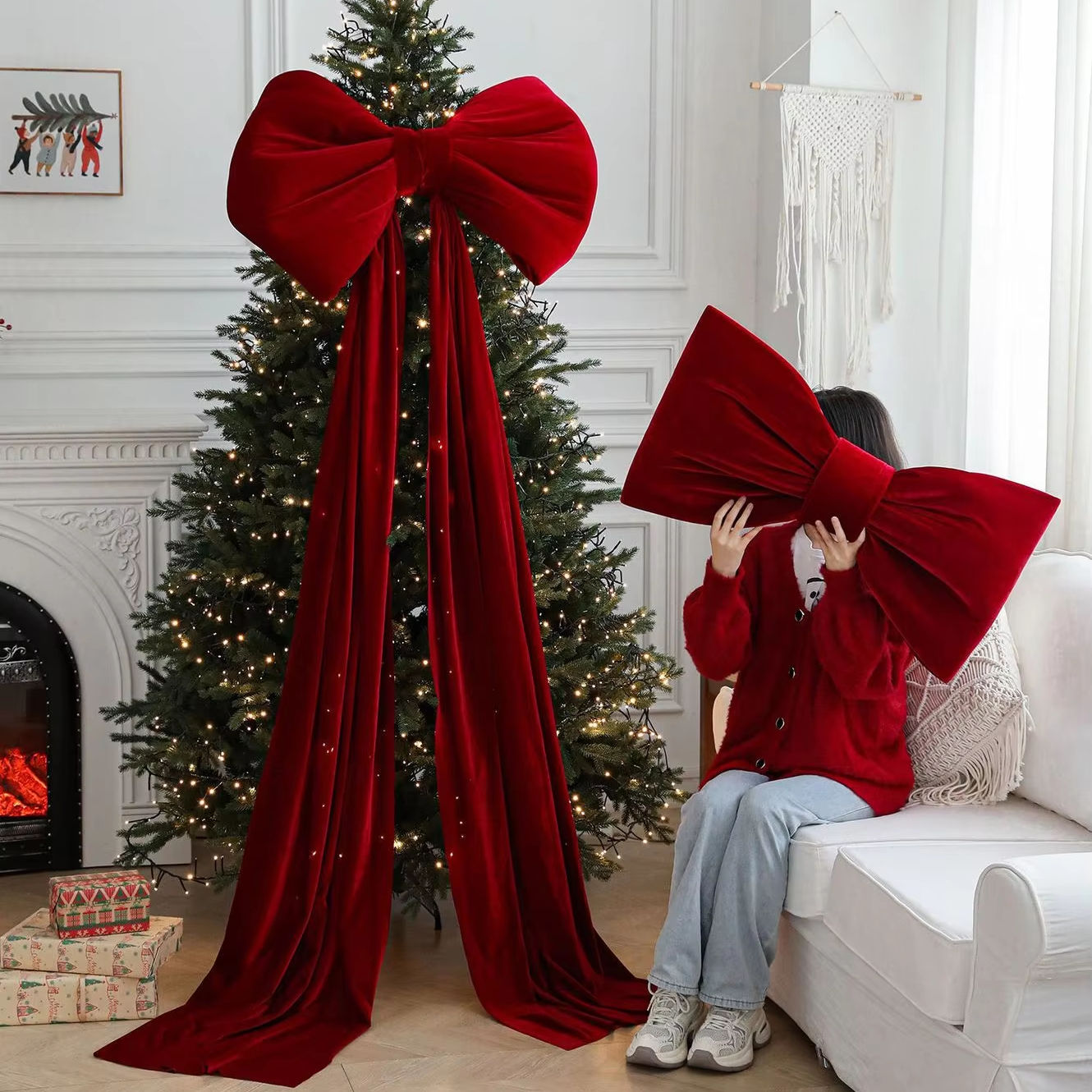
Selecting the right modern Christmas colors can transform your holiday space from dated and predictable into fresh, stylish, and inviting. Many homeowners and decorators struggle with choosing modern Christmas colors that feel current rather than stuck in past decades. The difference between outdated and contemporary holiday décor often comes down to color selection, balance, and how these tones work together. Understanding what makes modern Christmas colors effective is essential for anyone who wants their seasonal decorations to feel intentional, sophisticated, and aligned with current design trends. The challenge lies not just in picking trendy colors, but in understanding the psychology and aesthetic principles that make certain palettes work better than others in today's homes.

Modern Christmas colors reflect how contemporary interior design has evolved. Rather than relying solely on traditional red and green combinations, modern Christmas colors incorporate neutral tones, metallic accents, jewel tones, and unexpected combinations that create visual depth and sophistication. The key to achieving modern Christmas colors is understanding that today's aesthetic values restraint, intentionality, and cohesion with existing home décor. Whether you're decorating a living room, retail space, or office environment, knowing how to balance warm and cool tones while incorporating modern Christmas colors will elevate your entire seasonal display.
Understanding Modern Christmas Colors and Contemporary Trends
What Defines Modern Christmas Colors Today
Modern Christmas colors are defined by their ability to feel current without being trendy to the point of becoming dated within a single season. True modern Christmas colors work with existing design elements and don't compete with each other for attention. The hallmark of modern Christmas colors is restraint—using fewer dominant colors rather than layering multiple bright hues. Contemporary design favors sophisticated combinations like soft whites paired with deep emerald greens, warm golds with muted blush tones, or minimalist palettes centered on natural greens and metallics. Modern Christmas colors also tend to avoid the overly saturated, artificial-looking tones that defined holiday décor from previous decades.
Why Outdated Christmas Color Schemes Fail
Outdated Christmas color schemes often rely on neon-bright combinations, overly glossy finishes, or color ratios that no longer align with current design principles. Older approaches to holiday decorating frequently used bright, primary-color reds paired with artificial-looking greens, often in equal visual weight. Modern Christmas colors reject this formula because it lacks sophistication and doesn't integrate smoothly with contemporary home interiors. Additionally, outdated schemes often feature artificial metallic golds or silvers in ways that feel tacky rather than elegant. Understanding why modern Christmas colors differ from previous generations helps you make intentional choices rather than defaulting to familiar but dated patterns.
Key Principles for Selecting Modern Christmas Colors
Color Palette Foundation and Balance
Building a modern Christmas colors palette begins with choosing a dominant neutral base. This could be soft white, warm cream, natural beige, or even a subtle grey tone. Modern Christmas colors work best when roughly 60 percent of your visible decorations sit within this neutral foundation. The remaining 40 percent distributes between accent colors—typically one or two carefully chosen tones that complement your home's existing aesthetic. For example, modern Christmas colors might feature a white or cream base with deep forest green accents and warm brass metallics. This approach feels intentional and allows each color element to have visual impact without overwhelming the space. When applied to artificial Christmas trees or garlands, modern Christmas colors benefit from this same principle: choose a tree in white, frosted, or natural green, then layer accent colors minimally.
Integrating Metallics and Textures with Modern Christmas Colors
Modern Christmas colors are enhanced by thoughtful use of metallics and varied textures rather than relying on shiny surface treatments alone. Contemporary holiday décor incorporates matte finishes, soft metallics like brushed gold or copper, and natural textures such as wood, felt, and linen. When combining modern Christmas colors with these elements, the goal is to create visual interest through material variation rather than color saturation. A modern Christmas colors scheme might pair white or frosted trees with soft gold string lights, natural wood ornaments, and velvet ribbons in jewel tones. This combination feels sophisticated because it respects the visual weight of each element. The texture of flocked branches, for instance, adds dimension to modern Christmas colors schemes without requiring additional bright hues.
Specific Modern Christmas Colors and Their Applications
Contemporary Color Combinations That Work
Several modern Christmas colors combinations have proven effective in current design contexts. White or cream foundations paired with deep emerald or forest green create a classic yet contemporary feel that complements most home styles. Modern Christmas colors featuring soft blush or mauve tones combined with warm metallics and natural green accents deliver sophistication and femininity. Minimalist approaches using only natural green and white with brass or copper accents represent the most restrained expression of modern Christmas colors. Jewel-tone palettes—incorporating sapphire, amethyst, or rich burgundy—combined with neutral bases represent another valid approach to modern Christmas colors. Scandinavian-inspired modern Christmas colors typically feature white, grey, natural wood tones, and subtle red accents in matte finishes. Each of these modern Christmas colors combinations succeeds because it limits the overall color count and emphasizes balance over abundance.
Colors and Combinations to Avoid
Certain approaches to Christmas color selection will immediately signal outdated décor regardless of other elements. Bright, neon-saturated reds paired with artificial-looking greens in equal proportions represent the most common mistake when avoiding modern Christmas colors. Overly shiny, reflective surfaces in orange-toned golds or silver finishes often feel dated rather than contemporary. Modern Christmas colors explicitly reject color schemes featuring hot pink, lime green, or other artificial, highly saturated tones without neutral grounding. Multi-colored lights in rainbow patterns, while festive, typically undermine attempts at creating sophisticated modern Christmas colors schemes. Plastic-looking finishes in garish color combinations also detract from modern Christmas colors aesthetics. Additionally, mixing too many accent colors without a unifying neutral base creates visual chaos rather than the intentional sophistication that defines modern Christmas colors.
Implementing Modern Christmas Colors in Different Spaces
Residential Modern Christmas Colors Applications
In residential settings, modern Christmas colors should harmonize with existing interior design and furniture. If your home features warm, neutral interiors, modern Christmas colors work best with warm metallics and deep greens or jewel tones. Contemporary homes with cool-toned designs benefit from modern Christmas colors palettes featuring silver or platinum metallics paired with whites and cool-toned greens. Modern Christmas colors for living rooms should avoid overwhelming the space; strategic placement of your color scheme near focal points like fireplaces or entryways creates impact without demanding constant visual attention. Bedrooms and secondary spaces might feature even more restrained modern Christmas colors—perhaps a simple white and green palette with minimal additional accents. The principle underlying all residential modern Christmas colors applications is ensuring that seasonal décor enhances rather than conflicts with the home's permanent aesthetic.
Commercial and Retail Modern Christmas Colors Strategies
Retail and commercial environments benefit from modern Christmas colors schemes that feel inviting while remaining professional. Sophisticated modern Christmas colors that incorporate whites, natural greens, and warm metallics convey elegance and reliability. Office environments respond well to understated modern Christmas colors featuring subtle accent tones and minimal visual competition. Modern Christmas colors in commercial settings should reflect brand identity while embracing current design trends. Using modern Christmas colors effectively in these spaces requires balancing festivity with restraint, ensuring that seasonal décor enhances the customer or employee experience rather than creating sensory overload. Modern Christmas colors that incorporate natural elements like branches, pinecones, or wooden accents create texture and interest without relying heavily on color saturation.
FAQ
What are the most popular modern Christmas colors right now?
The most popular modern Christmas colors include white or cream combined with deep forest green, soft metallics like brushed gold or copper, and jewel tones such as emerald or sapphire. Minimalist modern Christmas colors featuring white, natural green, and neutral accents are also trending strongly. Blush and mauve tones paired with warm metallics represent another contemporary direction for modern Christmas colors. These combinations appeal to current design sensibilities because they feel sophisticated, intentional, and harmonize with existing home décor rather than demanding to be the focal point.
How can I transition from outdated Christmas décor to modern Christmas colors?
Transitioning to modern Christmas colors begins by assessing your current palette and identifying which pieces can transition to a new scheme. Replace bright, artificial-looking ornaments with sophisticated modern Christmas colors options in deeper, more muted tones. Invest in quality artificial trees or garland bases in whites, creams, or natural greens that serve as modern Christmas colors foundations. Gradually introduce new accent pieces that reflect contemporary modern Christmas colors principles rather than replacing everything at once. Focus on upgrading lighting to warm or cool white options instead of colored lights. Modern Christmas colors transitions work best when you prioritize quality pieces that will remain timeless rather than chasing every seasonal trend.
Do modern Christmas colors work in homes with traditional décor?
Yes, modern Christmas colors can work beautifully in traditionally decorated homes when approached thoughtfully. Deep jewel tones, rich golds, and natural greens within modern Christmas colors palettes often complement traditional interiors well. The key is ensuring that modern Christmas colors feel intentional rather than conflicting with the home's existing aesthetic. Traditional homes typically benefit from modern Christmas colors schemes that incorporate warm metallics, deep forest greens, and jewel tones rather than stark whites and cool metallics. By respecting both the traditional elements of the home and contemporary design principles, modern Christmas colors can bridge traditional and contemporary aesthetics successfully.