 EN

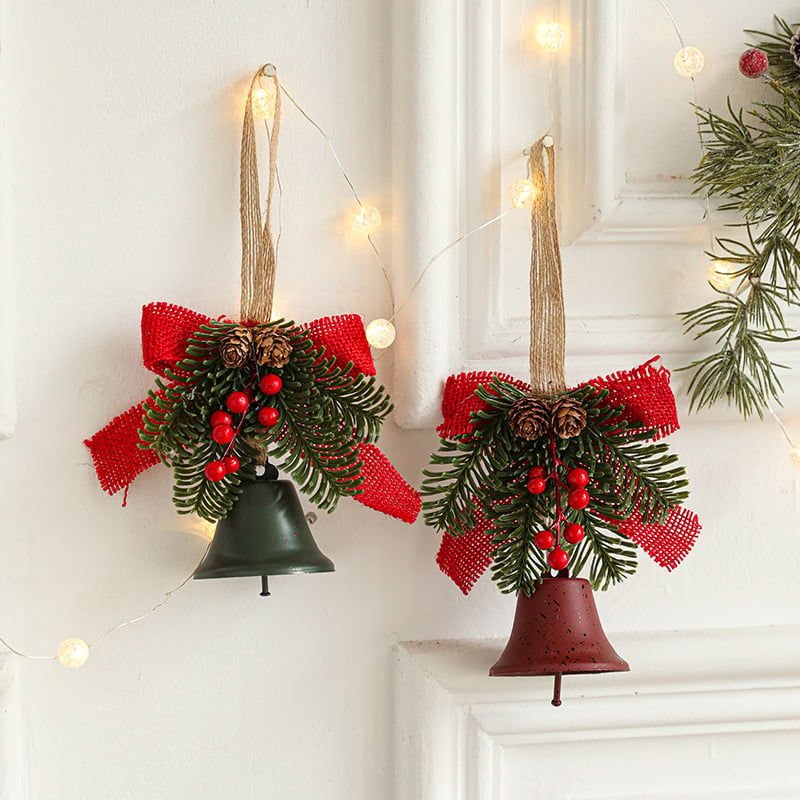
Small Christmas bells look more proportional on mini trees because their size supports the tree’s compact shape instead of overwhelming it. A christmas bell adds a recognizable festive detail while leaving the branches, berries, and silhouette visible. When choosing a christmas bell, think about the tree’s height and branch spacing, not just the ornament’s appearance in isolation. That relationship explains why miniature decorations often feel more carefully composed.
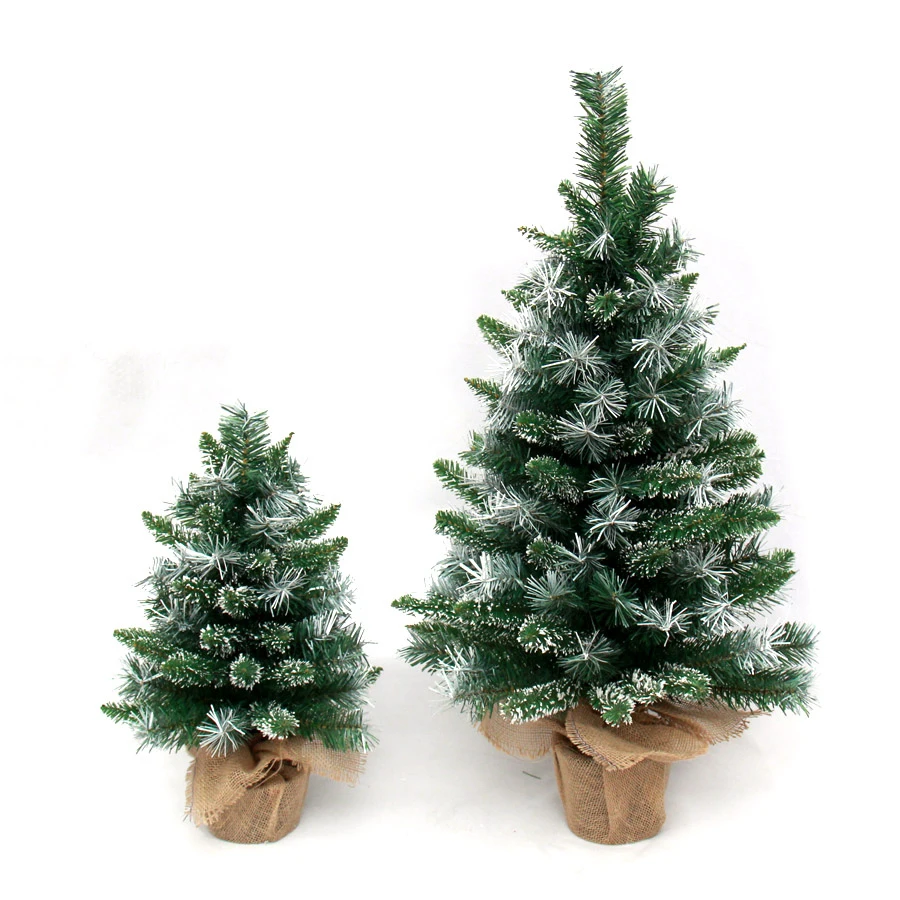
On a tabletop tree, every decoration occupies a larger share of the visible surface than it would on a full-size tree. A christmas bell can therefore become a focal detail without needing a large profile. The right christmas bell also leaves room for needles and other accents to show. For a compact artificial tree, such as a christmas bell styled with restrained ornaments, this balance keeps the overall display composed rather than crowded.
How scale creates a balanced mini-tree display
Small ornaments preserve the tree’s silhouette
A mini tree has a narrow outline and short branches, so a large ornament can interrupt its natural taper. A small christmas bell follows the scale of that outline and allows the tree to remain the main visual form. When a christmas bell fits within the branch tips, it reads as part of the design instead of a separate object placed on top. This is especially noticeable when the tree is viewed from across a room.
Scale is not only a matter of ornament diameter. A christmas bell with a compact body and a modest clapper tends to look lighter than a broad, highly detailed design. On a small tree, a christmas bell with a narrow hanging loop also uses less visual space above the ornament. These small proportions help the eye move between the branches, decorations, and topper without one element appearing disproportionately dominant.
Branch spacing sets practical limits
Miniature branches often have less distance between tips than full-size branches. A christmas bell that is too wide may press against neighboring foliage or tilt forward under its own weight. A smaller christmas bell can hang freely, allowing its shape to remain visible from the front and sides. Before decorating, compare ornament width with the open spaces between branch tips, then choose dimensions that suit those gaps.
Weight matters as well as width. Thin or flexible branches can bend when a heavy decoration is attached near the end. A lightweight christmas bell is easier to position and less likely to pull a branch out of line. Distributing each christmas bell across sturdy inner and outer branches can also preserve an even silhouette. The result is not simply a smaller ornament, but a decoration that the tree can support naturally.
Why visual rhythm matters on a compact tree
Repeated small accents create cohesion
A mini tree has limited decorating space, making repetition more noticeable. Several small bells can establish a gentle rhythm as the eye travels from the top to the lower branches. Each christmas bell contributes a similar visual note without taking over the composition. Keeping the christmas bell size consistent usually creates a more unified effect than mixing a few oversized pieces with much smaller ornaments.
Repetition does not mean placing every decoration at equal intervals. Instead, allow a christmas bell to sit near a contrasting branch, berry cluster, or patch of greenery. That contrast gives each ornament room to register. If every christmas bell hangs in a straight line, the display may look rigid; varied heights and angles make the arrangement feel more natural while retaining a clear overall pattern.
Color and finish influence perceived size
A shiny surface catches light and can make an ornament appear more prominent than its measurements suggest. A small christmas bell with a reflective finish may draw attention quickly, while a matte finish tends to blend more quietly with the tree. Consider the viewing distance and room lighting before settling on a finish. A christmas bell should remain visible without competing with the tree’s greenery or other details.
Color affects the same balance. A bright metallic christmas bell can stand out against dark green branches, while a muted or natural tone may sit closer to the foliage. Neither choice is automatically better; the useful question is how much emphasis the ornament should receive. When berries or ribbon already provide strong color, a restrained christmas bell can support the palette without adding another dominant visual point.
How to choose and place bells for mini trees
Match the ornament to the tree’s use
Start by considering where the mini tree will be displayed. A desk tree is often seen at close range, so a small christmas bell with clean details can reward a closer look. A tree on a reception counter may need a slightly more visible accent to read from farther away. In either setting, choose a christmas bell that fits the tree’s height and does not obscure its tip or distinctive branch features.
The surrounding setting also affects how much decoration is appropriate. A tree placed among paperwork, merchandise, or seasonal displays may benefit from a simpler arrangement. One carefully positioned christmas bell can provide a festive cue without adding clutter. For a more decorative tabletop scene, a few coordinated bells may work well, provided each christmas bell has enough space to hang naturally and remain distinguishable.
Test placement before completing the arrangement
Hang ornaments temporarily before finalizing the display. Step back to assess the overall shape, then inspect the tree from eye level and from the sides. If a christmas bell hides behind a branch, move it to a more open position; if it projects too far beyond the outline, shift it inward. This simple check helps each christmas bell contribute to the composition rather than creating an accidental visual imbalance.
Finish by checking branch stability and spacing. Gently reposition foliage so the ornaments are visible, but avoid forcing branches to carry more weight than they comfortably support. A christmas bell should hang without twisting the tip or pressing against another decoration. Once the tree looks balanced from its main viewing angle, make only small adjustments. On a mini tree, restrained placement often gives every detail more impact.
FAQ
What size christmas bell works on a mini tree?
Choose a christmas bell that fits between the branch tips and suits the tree’s height. The ornament should remain visible without dominating the silhouette. Check both its body width and hanging length, since a long loop can make a compact decoration appear oversized.
How many bells should I use on a small tree?
There is no fixed number because branch density and ornament size vary. Add one christmas bell at a time, checking the tree from its usual viewing distance. Stop when the bells create a clear rhythm and the greenery still reads as the main structure.
Where should I hang bells on a mini tree?
Place a christmas bell on a branch sturdy enough to support it, leaving space around the ornament. Vary the positions rather than forming a straight row, and check that each bell remains visible from the front. A final side view can reveal hidden or crowded placements.