 EN

For a front door exposed to winter weather, polyester or another water-resistant synthetic ribbon is generally a more practical choice than untreated natural fabric. The best christmas bows combine a material that sheds moisture with secure construction, so rain and snow are less likely to leave the loops limp, stained, or misshapen. Material choice matters most when the decoration will stay outdoors for weeks.
No ribbon is immune to every weather condition, but some christmas bows handle repeated dampness better than others. Look for tightly woven synthetic fibers, a finish intended to resist moisture, and a shape that can dry between storms. This guide compares common material choices and explains how to assess construction, placement, and care before choosing a bow for an exposed entrance.
How Bow Materials Respond to Winter Weather
Synthetic fibers shed moisture more readily
Polyester is a reliable starting point for outdoor christmas bows because its fibers absorb less water than many untreated natural fibers. When rain reaches the surface, it is less likely to soak through quickly, and the material can dry sooner after the weather clears. For front doors, christmas bows made from dense polyester ribbon are usually easier to maintain than absorbent alternatives.
Acrylic and nylon ribbons can also suit christmas bows exposed to wet conditions, although the weave, coating, and overall quality still matter. A loose weave may hold droplets or catch debris, while a closely woven ribbon presents fewer openings for moisture to linger. Check the product details for outdoor use, and assess the feel and structure rather than assuming every synthetic christmas bow is weatherproof.
Natural textures need more protection
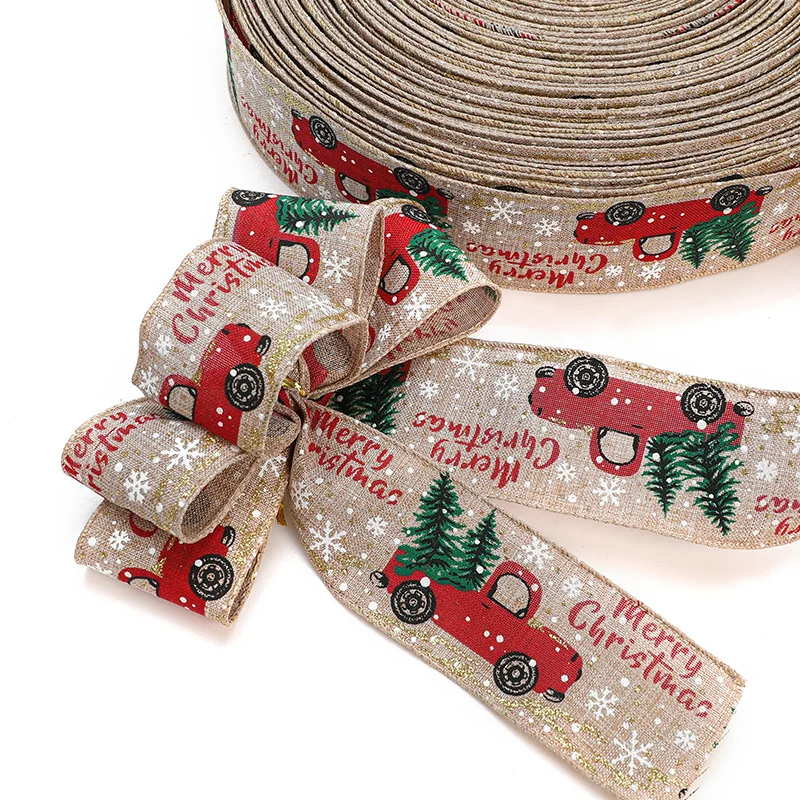
Burlap, cotton, linen, and other natural-looking fabrics bring a warm, textured appearance to christmas bows, but untreated versions can absorb water. Once saturated, they may feel heavy, dry slowly, or develop visible marks. A linen-edge or burlap-style ribbon can still work outdoors when its base material and finish are suitable, but the rustic appearance alone does not indicate weather resistance.
For christmas bows made with natural fibers, consider whether the decoration will sit beneath a porch roof or face direct precipitation. A water-repellent treatment may reduce absorption, but it does not make a fabric permanently waterproof. Ask whether the finish is designed for exterior exposure, and inspect the bow after wet weather. Moving vulnerable christmas bows indoors during prolonged storms can prevent avoidable wear.
Construction Features That Help Bows Keep Their Shape
Weave, edges, and internal support
Material is only part of the decision: christmas bows also need construction that limits fraying and helps the loops hold their form. Tightly finished edges are less likely to unravel when they brush against a door or wreath. Wired edges can help shape loops after installation, though wire does not stop water absorption. For exposed christmas bows, examine both the ribbon surface and how the bow is assembled.
A structured ribbon can be easier to reshape after a windy or wet day than a soft, unreinforced fabric. Select christmas bows with loops that are not overly delicate and ties that attach securely to the door decoration. If the bow uses several layers, check whether water could become trapped between them. Christmas bows that dry freely are less likely to remain damp for an extended period.
Finishes and color stability
Some christmas bows use coatings or treatments intended to repel water, but claims and care directions vary by product. A finish can improve surface shedding without protecting every seam or cut edge. Read the material description carefully and treat terms such as weather-resistant as guidance, not a promise of permanent protection. This is particularly important for christmas bows that receive direct rain rather than occasional mist.
Color and pattern also deserve attention because wet conditions can reveal fading, bleeding, or staining. Choose christmas bows with colorfast materials when available, especially for a light-colored door or wreath where runoff could leave marks. Dark shades may conceal minor dirt, but they do not prevent material damage. Before placing christmas bows outside for a full season, examine any available care instructions and keep the packaging details.
Choosing and Caring for a Front-Door Bow
Match material to the door exposure
Start by judging how much weather reaches the entrance. A recessed porch offers christmas bows more protection than a door facing open rain, snow, and wind. Under shelter, a decorative fabric with a moisture-resistant finish may be sufficient; in a fully exposed location, prioritize synthetic ribbon and sturdy construction. In either setting, christmas bows should be secured so they do not rub constantly against the door.
Think about the length of time the decoration will remain outside and how often you can check it. If christmas bows will stay up through repeated storms, choose a ribbon that can tolerate damp conditions and is easy to reshape. For a brief display or a covered entry, appearance may carry more weight. A natural-texture option can be attractive when christmas bows are kept out of direct precipitation.
Drying, inspection, and storage
After rain or melting snow, inspect christmas bows for soaked sections, loose ties, flattened loops, or color transfer. If the material is damp, let it air-dry fully before compressing or storing it. Avoid placing wet christmas bows in a sealed container, since trapped moisture can encourage odor or deterioration. Gentle reshaping while the ribbon dries can help restore a balanced appearance.
At the end of the season, clean christmas bows according to the material instructions and make sure they are completely dry before storage. Keep them in a dry place where heavy items will not crush the loops. Labeling the container as suitable for covered or exposed use can make next season’s choice easier. Even durable christmas bows last longer when they are not left damp, tangled, or under pressure between displays.
FAQ
Which material is most suitable for a door exposed to rain?
Polyester or another tightly woven, moisture-resistant synthetic ribbon is a sensible option for exposed christmas bows. Check the care and outdoor-use guidance, because construction and finish affect performance. No material choice eliminates the need to inspect christmas bows after severe weather.
Can burlap christmas bows be used outdoors in snow?
They can be used in a sheltered area, especially if the ribbon has a suitable water-resistant treatment. Untreated burlap can absorb moisture, so christmas bows made from it may become heavy or take longer to dry. Bring christmas bows under cover during prolonged wet conditions.
How can I help an outdoor bow keep its shape?
Choose well-assembled christmas bows with secure ties and structured loops, then let them dry fully after precipitation. Reshape gently once dampness has cleared, and store christmas bows in a dry container without crushing them. These habits support appearance but cannot prevent all weather-related wear.